Trump Plans to Use Qatari Jet for Overseas Trip Despite Warnings
Donald Trump’s plans to use a luxury jet owned by Qatar for an upcoming international flight have sparked deep security worries among US officials.
An Unprecedented Travel Plan Sparks Alarms
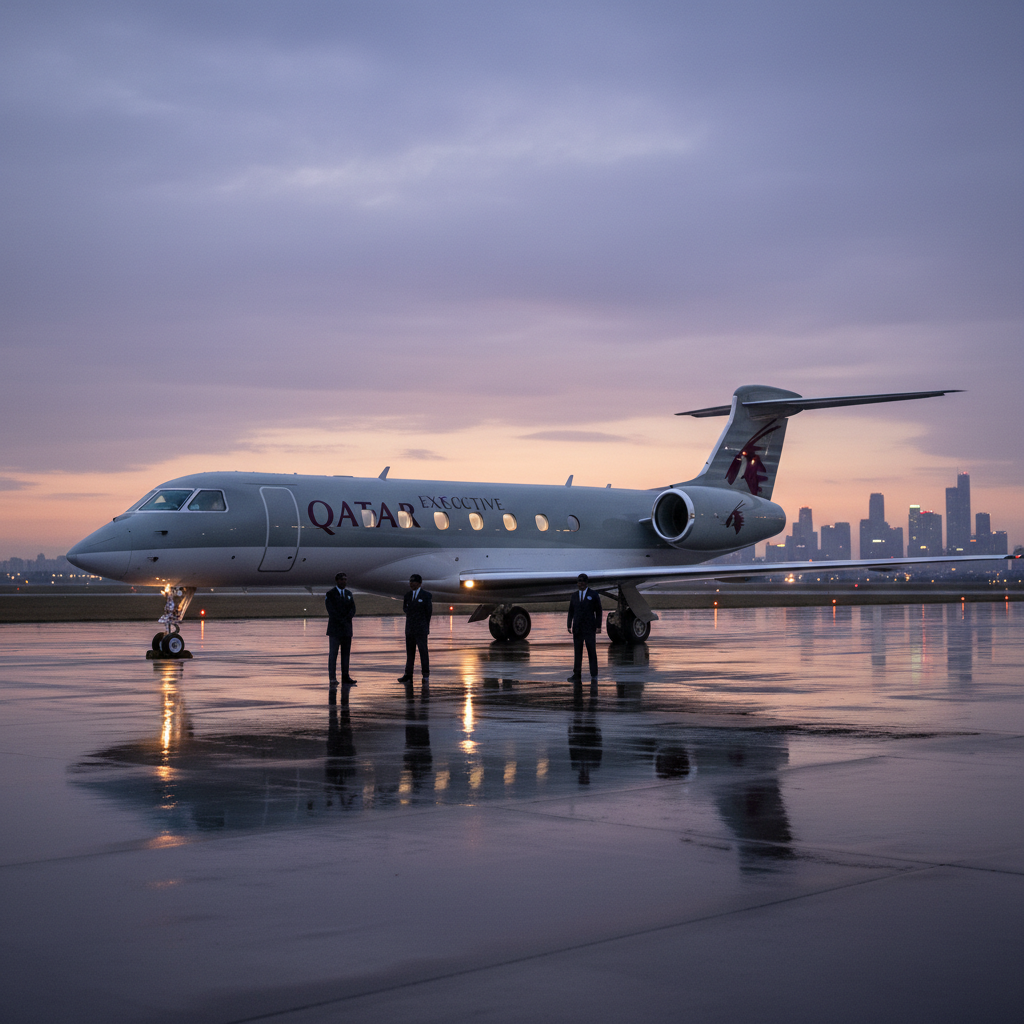
Donald Trump wants to fly overseas. For a former president running another high-stakes campaign, international travel is standard business. But the plane he wants to use has security officials in Washington sweating. According to multiple sources familiar with the matter, Trump plans to fly to an upcoming international destination on a luxury private jet owned by a state-linked Qatari company. The decision has set off quiet panic among his security detail and counterintelligence experts.
The aircraft in question is a high-end Gulfstream operated by Qatar Executive. This is the VIP charter division of Qatar Airways, a state-owned enterprise heavily controlled by the Qatari government. For the U.S. Secret Service, the arrangement presents an incredibly difficult set of challenges. Former presidents usually travel on U.S.-registered private planes or government aircraft. Using a foreign-registered jet owned by a foreign state is almost unheard of in modern political history.
The move comes at a highly sensitive time. Security around Trump is already at an all-time high following recent assassination attempts and intelligence reports about active foreign plots targeting him. Now, his team is planning to put him in the sky inside a flying metal tube owned by a foreign monarchy. The risks, experts say, are not just physical. They are digital, geopolitical, and deeply complicated.
The Logistics of a Flying Security Nightmare
When a major political figure travels, the Secret Service likes control. They want to know who cleaned the cabin, who serviced the engines, and what software is running on the flight deck. With a foreign-state-owned jet, that control vanishes. Federal agents cannot simply show up at a foreign hangar days in advance and demand total access to a foreign government’s asset.
The primary concern is not that the plane will fall out of the sky. It is what might be listening inside it. Intelligence officials warn that modern charter jets are highly vulnerable to espionage. A plane owned by Qatar Executive could easily be fitted with sophisticated, hard-to-detect surveillance equipment. Microphones, hidden cameras, and Wi-Fi interceptors can be built directly into the cabin’s bulkheads and seating.
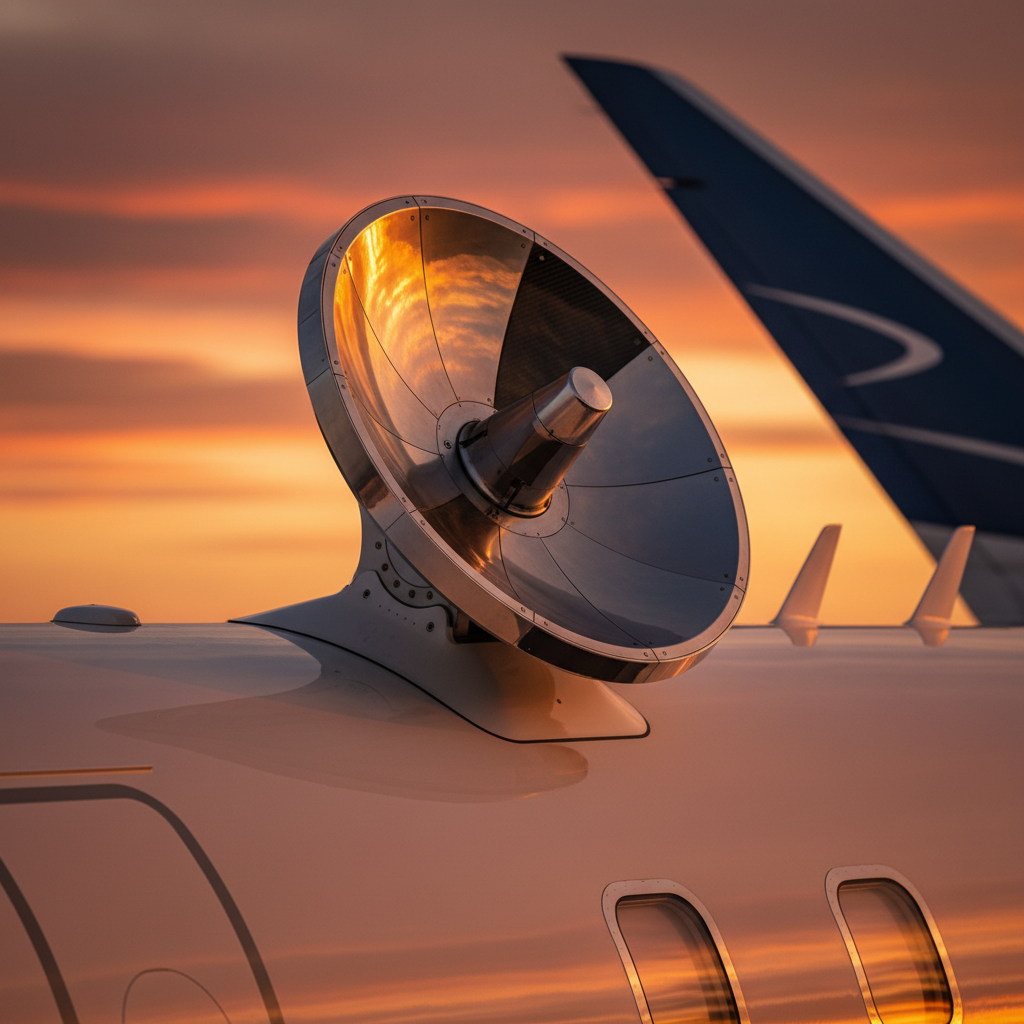
If Trump or his top aides discuss campaign strategy, foreign policy, or sensitive legal matters during the long-haul flight, those conversations could be recorded. Anything transmitted over the plane’s satellite internet could be intercepted. In the world of international espionage, a private cabin is a goldmine. For a foreign intelligence agency, having a U.S. presidential candidate as a captive audience for ten hours is the ultimate opportunity.
The Vulnerability of Onboard Networks
Security analysts point out that onboard communication networks are notoriously easy to hack. Even if Trump’s team uses encrypted phones, the routing of the plane’s internet traffic goes through servers that could be monitored by foreign actors.
- Satellite Routing: Data transmitted from the jet must travel through satellite constellations that may be subject to foreign ground-station monitoring.
- Physical Tapping: Hardware keyloggers or firmware-level implants can be installed on the aircraft’s local routers during routine maintenance in foreign ports.
- Crew Access: The flight crew and cabin staff are employed by a foreign entity, meaning their backgrounds and allegiances are not vetted by U.S. intelligence.
These technical realities have left U.S. cyber defense officials deeply uneasy. They have spent months warning political campaigns about foreign hacking efforts, only to see the candidate himself plan a flight on a foreign state’s luxury plane.
Why Choose a Qatari Jet?
The obvious question is why Trump would choose this specific aircraft. His own personal Boeing 757, famously dubbed “Trump Force One,” has been a staple of his rallies and travels for over a decade. However, the massive airliner is expensive to operate on certain international routes and occasionally undergoes lengthy maintenance cycles. When his personal plane is unavailable or impractical, Trump’s campaign relies on charter services.
Qatar Executive operates one of the newest and most luxurious charter fleets in the world. Their Gulfstream G650ER aircraft are capable of flying nonstop between almost any two points on the globe in extreme comfort. For a billionaire who values luxury and speed, the planes are highly appealing.
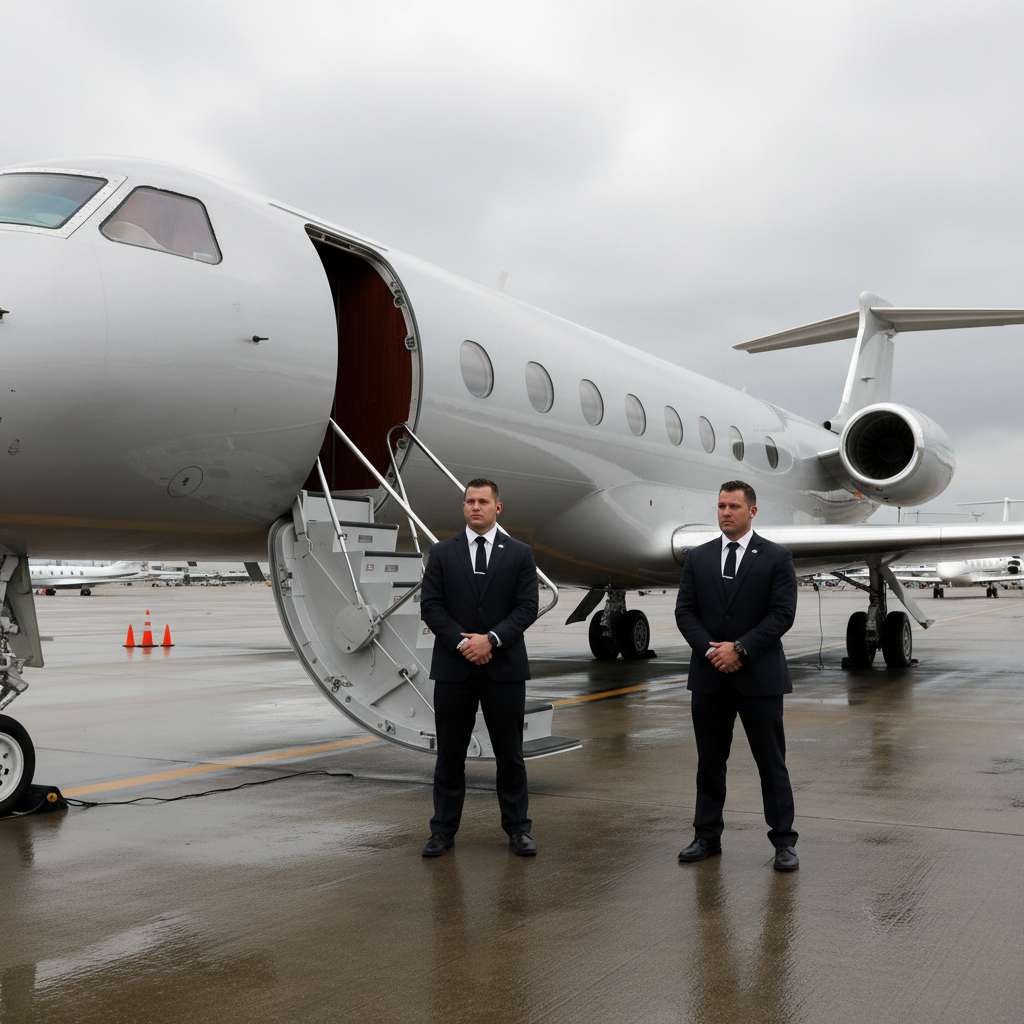
But the political optics are just as thorny as the security risks. Qatar is a complicated geopolitical actor. It is a key U.S. military ally, hosting the massive Al Udeid Air Base. At the same time, Doha maintains close ties with adversaries of the United States. It has historically hosted political offices for Hamas and kept diplomatic channels open with Iran. For a presidential candidate to accept or purchase services from a state-owned Qatari entity invites intense political scrutiny.
A History of Tension Over Campaign Travel
This is not the first time Trump’s travel choices have raised eyebrows. Throughout his political career, he has preferred using his own assets or high-end private charters rather than traditional government-vetted transport. During his presidency, he frequently traveled to his own properties, causing logistical headaches for the military and the Secret Service.
Now, as a private citizen and candidate, he has more freedom to choose how he travels. But that freedom clashes directly with the government’s duty to protect him. The Secret Service is legally mandated to keep him safe, yet they have limited authority to tell a private citizen which plane he can buy a ticket on or rent.
Sources say officials have raised their concerns with Trump’s campaign staff, hoping to persuade them to find an American-owned alternative. But Trump’s inner circle has often been skeptical of warnings from the Washington national security establishment, viewing them as overly cautious or politically motivated.
What Lies Ahead
As the planned trip approaches, the dispute highlights the ongoing friction between Trump’s personal style and the rigid protocols of federal security agencies. If the flight goes ahead, the Secret Service will have to do its best with a bad hand. They will likely deploy counter-surveillance teams to inspect the cabin as thoroughly as possible before boarding, and advise staff to keep their phones turned off and their mouths shut during the flight.
Whether those precautions will be enough to stop a determined foreign intelligence agency remains to be seen. In the high-stakes game of global politics, a single flight could carry a lot of unwanted baggage.