Democrats Sound Alarm Over Secret Pentagon-NIH Biodefense Deal
A quiet pact between the Pentagon and the NIH has ignited a fierce backlash from congressional Democrats, who warn of a dangerous shift toward militarized science.
The Quiet Pact That Sparked a Capitol Hill Rebellion
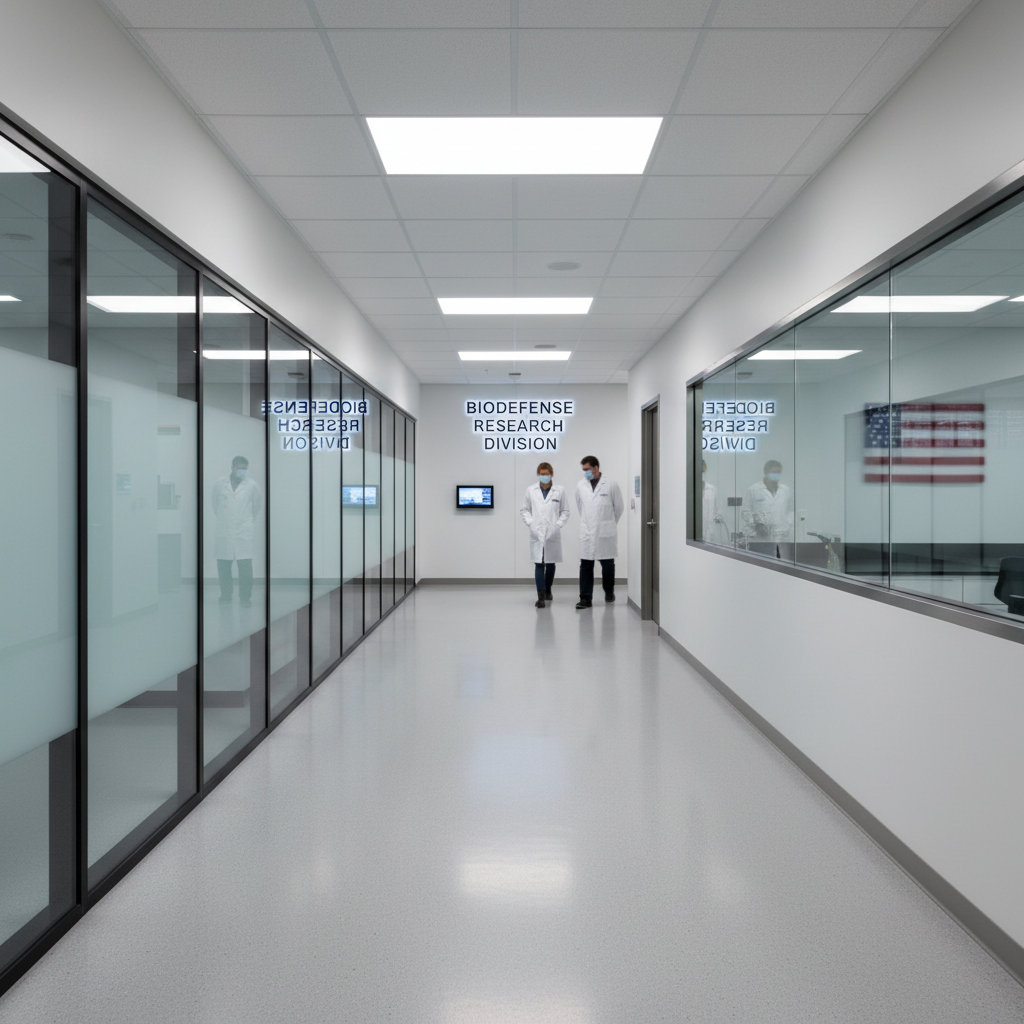
A quiet administrative handshake between the Department of Defense and the National Institutes of Health has set off alarm bells on Capitol Hill. What was pitched as a routine effort to streamline America’s defenses against biological weapons has instead triggered a fierce backlash from congressional Democrats. They fear the agreement could drag civilian scientific research into the shadows of military secrecy.
The deal, signed without public fanfare, establishes a framework for the Pentagon and the NIH to collaborate closely on high-stakes biodefense research. On paper, it makes sense. The world is facing an explosion of synthetic biology, and the threat of engineered pathogens is no longer science fiction. But behind closed doors, critics say the arrangement threatens to upend decades of civilian oversight, potentially shielding controversial virus research from public view.
The timing is terrible. Trust in public health agencies is still recovering from the bruising political battles of the pandemic era. Now, lawmakers are demanding to know why the nation’s premier medical research agency is climbing into bed with the military’s threat-reduction apparatus without robust congressional consultation.
Inside the Deal: What the Pentagon and NIH Agreed To
The memorandum of understanding links the NIH’s National Institute of Allergy and Infectious Diseases (NIAID) with the Pentagon’s chemical and biological defense programs, including the Defense Threat Reduction Agency (DTRA). Historically, these two worlds operated in separate spheres. The NIH focused on public health, open science, and developing vaccines for global diseases. The Pentagon focused on protecting troops and neutralizing foreign weapons of mass destruction.
Under the new pact, those lines are blurring. The agreement creates joint oversight committees, allows for the sharing of restricted pathogen libraries, and establishes a pipeline for co-funding high-containment laboratories. Crucially, it gives military officials a seat at the table when deciding which infectious diseases receive priority funding.
Supporters of the deal argue this is just common sense. They point out that adversaries are actively researching ways to weaponize biological agents. To counter this, they argue, the government must pool its resources. But to skeptics, the arrangement looks less like cooperation and more like a military takeover of civilian science.
The Shadow of Gain-of-Function and Lab Leaks
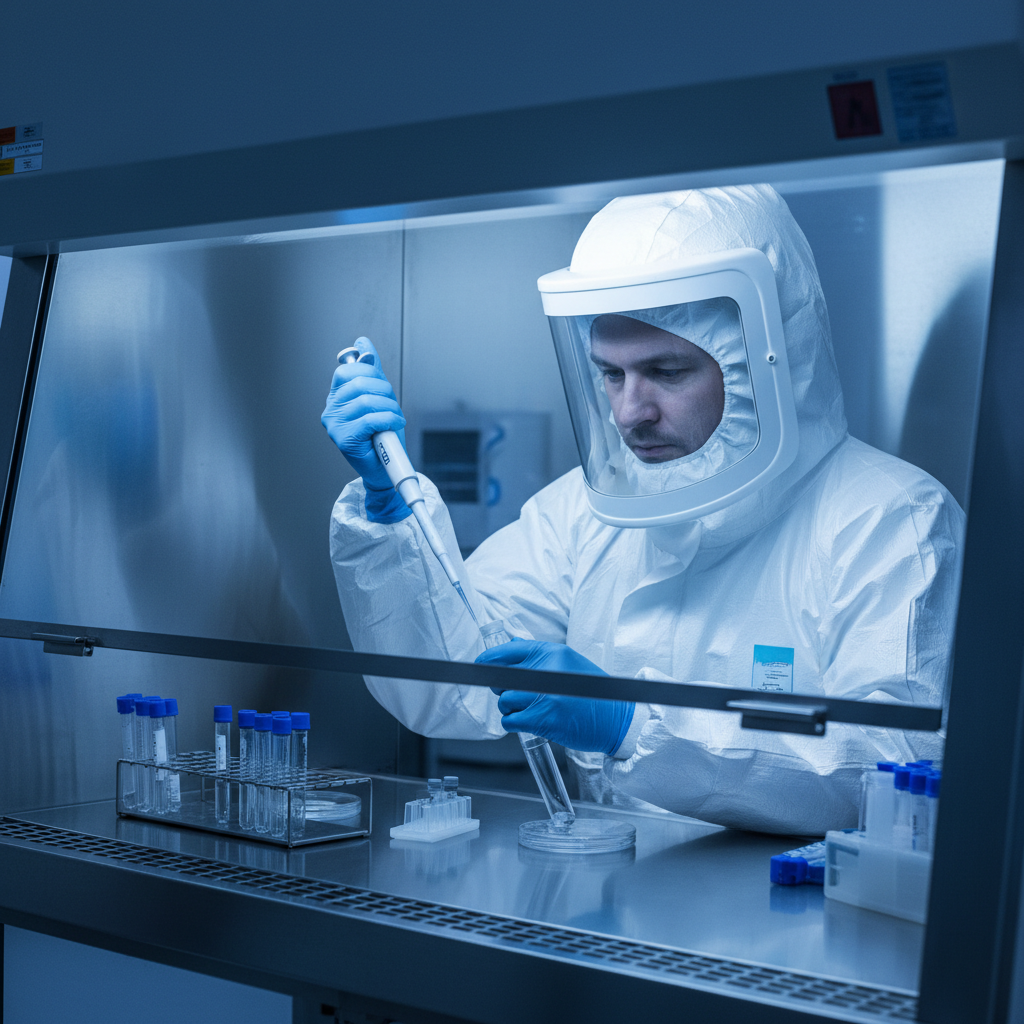
The deepest anxiety surrounding this agreement involves the highly controversial field of gain-of-function research. These experiments involve modifying pathogens to make them more infectious or deadly, theoretically allowing scientists to get ahead of future mutations. It is high-stakes, high-risk work.
Ever since the COVID-19 pandemic erupted, gain-of-function research has been under a microscope. Civilian agencies have faced intense scrutiny over how they monitor these experiments. Lawmakers have spent years grilling health officials about what kind of oversight exists for labs handling dangerous viruses.
Democrats worry that the Pentagon agreement offers a convenient backdoor. Military-funded research is often insulated from the standard civilian vetting processes. If a controversial project is funded under a defense contract rather than an NIH grant, it can bypass the strict, public-facing safety boards that civilian researchers must navigate. It is a loophole that safety advocates fear could be exploited to conduct high-risk pathogen research with minimal public accountability.
Lawmakers Demand Answers on Classification and Oversight
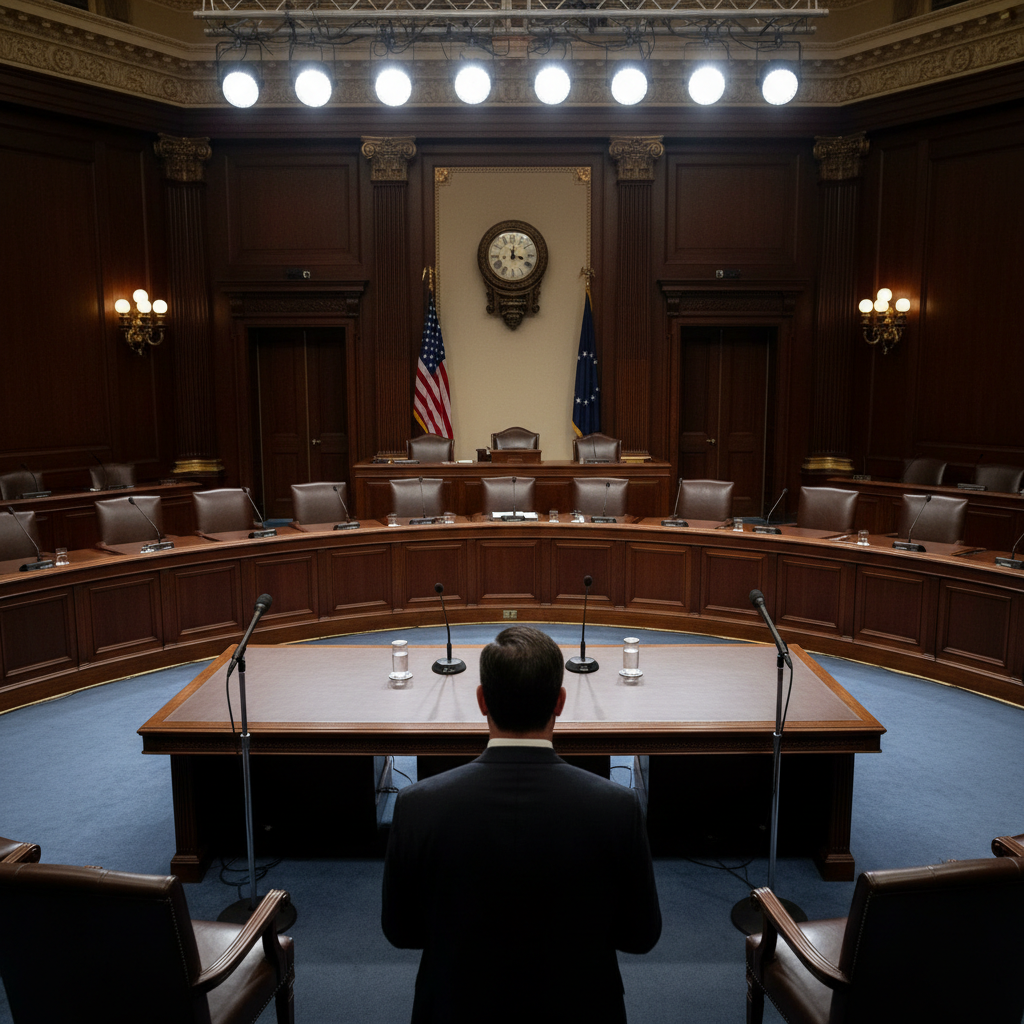
The pushback on Capitol Hill is growing louder. Several prominent Democrats on key oversight committees are preparing formal inquiries, demanding that both agencies hand over the full text of the agreement and any related correspondence.
“We cannot allow national security imperatives to become a convenient carpet under which we sweep risky scientific experiments,” said one senior Democratic congressional aide, speaking on the condition of anonymity. “If you move civilian science under a military umbrella, you lose the very transparency that keeps these labs safe. The public has a right to know what pathogens are being engineered and why.”
The issue of classification is at the heart of their concerns. When the NIH funds a study, the results are typically published in open-access scientific journals. This transparency allows scientists around the world to peer-review the findings and point out potential safety flaws. When the Pentagon funds the same work, the findings can easily be classified under the banner of national security. Critics argue that hiding this research doesn’t make the country safer; instead, it increases the risk of an accidental lab leak by preventing independent safety experts from evaluating the work.
The Defense: National Security in an Age of Synthetic Threats
The Pentagon and the NIH are pushing back against these fears, arguing that the partnership is vital for national defense. Officials insist that the agreement does not aim to bypass safety regulations but rather to speed up the development of countermeasures like vaccines and antiviral treatments.
Defense officials point out that the landscape of biological threats has changed dramatically over the last decade. With the rise of cheap, accessible gene-editing tools, the barrier to entry for creating a bioweapon has plummeted. A rogue actor or a hostile state could theoretically design a novel virus in a modest laboratory. To counter this, the military argues it needs the scientific expertise of the NIH.
“The speed of scientific discovery is accelerating, and so are the threats,” a defense official noted. “We cannot afford to work in silos anymore. This agreement is about national resilience. It’s about making sure that if a biological threat emerges tomorrow, we have the scientific infrastructure ready to respond instantly.”
The agencies also insist that all joint projects will still adhere to federal biosafety guidelines. However, these assurances have done little to soothe the anxieties of lawmakers who have spent the last three years watching trust in scientific institutions erode.
What Happens Next?
As Congress prepares for a busy legislative session, this biodefense pact is shaping up to be a major battleground. Democratic lawmakers are already discussing legislative riders that would restrict the NIH from using military funds for any research involving enhanced pathogens of pandemic potential.
There is also a broader philosophical debate at play. For decades, the United States has championed the idea of open, international scientific collaboration. By tying its premier medical research agency closer to the military, some fear the U.S. is sending a dangerous signal to the rest of the world. It could spark a global biodefense arms race, where other nations feel compelled to militarize their own public health agencies in response.
For now, the agreement stands. But with congressional scrutiny intensifying, the quiet partnership between the Pentagon and the NIH is about to get a lot of public exposure. Whether the agencies can convince a skeptical Congress that this deal is about safety, rather than secrecy, remains to be seen.