Gloria Steinem Backs Underground Schools for Afghan Girls
Gloria Steinem joins a global coalition to fund and protect secret underground schools and digital learning networks for barred Afghan girls.

The blinds are drawn tight in a quiet residential neighborhood on the outskirts of Kabul. Inside, six young girls sit cross-legged on a carpeted floor, their eyes fixed on a single, battery-powered tablet. They speak in hushed whispers. A knocking at the front gate instantly freezes the room. Books are slid under cushions. The tablet screen goes black. It is only a neighbor, but the panic is real. This is what going to school looks like in Afghanistan today.
Since returning to power in August 2021, the Taliban has systematically stripped Afghan women of their most basic rights. Girls are banned from attending school past the sixth grade. Universities are closed to them. Women cannot work for non-governmental organizations or show their faces in public parks. Yet, beneath this oppressive surface, a quiet defiance is taking root. A vast, decentralized network of secret schools has emerged across the country to keep young minds alive.
Now, this hidden movement is getting a major boost from some of the world’s most prominent human rights defenders. American feminist icon Gloria Steinem has joined forces with a newly formed global coalition of activists, tech innovators, and security experts. Together, they are launching a major covert initiative aimed at scaling up underground education networks across Afghanistan.
A Lifeline in the Dark
The newly formed coalition brings together veteran human rights groups, Afghan women-led organizations operating in exile, and international tech philanthropists. The goal is simple but incredibly risky: bypass the Taliban’s restrictions by supplying secret physical classrooms with educational resources while building a robust, highly secure digital learning network.
“We cannot stand by while an entire generation of young women is erased from public life,” Gloria Steinem said in a statement announcing her involvement. “These girls are risking their lives just to learn how to read, write, and think for themselves. If they have the courage to learn, the very least we can do is get them the tools to do it safely.”
Steinem, now 90, has spent more than half a century at the forefront of the global fight for women’s rights. Her participation brings fresh global attention and much-needed funding to a crisis that many fear has slipped from the international spotlight as other global conflicts dominate the news cycle.
How the Underground Network Works
Operating a school under the nose of a hostile regime requires extreme caution. The coalition’s strategy relies on a mix of low-tech physical evasion and high-tech digital security. It has to. The Taliban’s Ministry for the Propagation of Virtue and the Prevention of Vice actively patrols neighborhoods looking for unauthorized gatherings of young women.
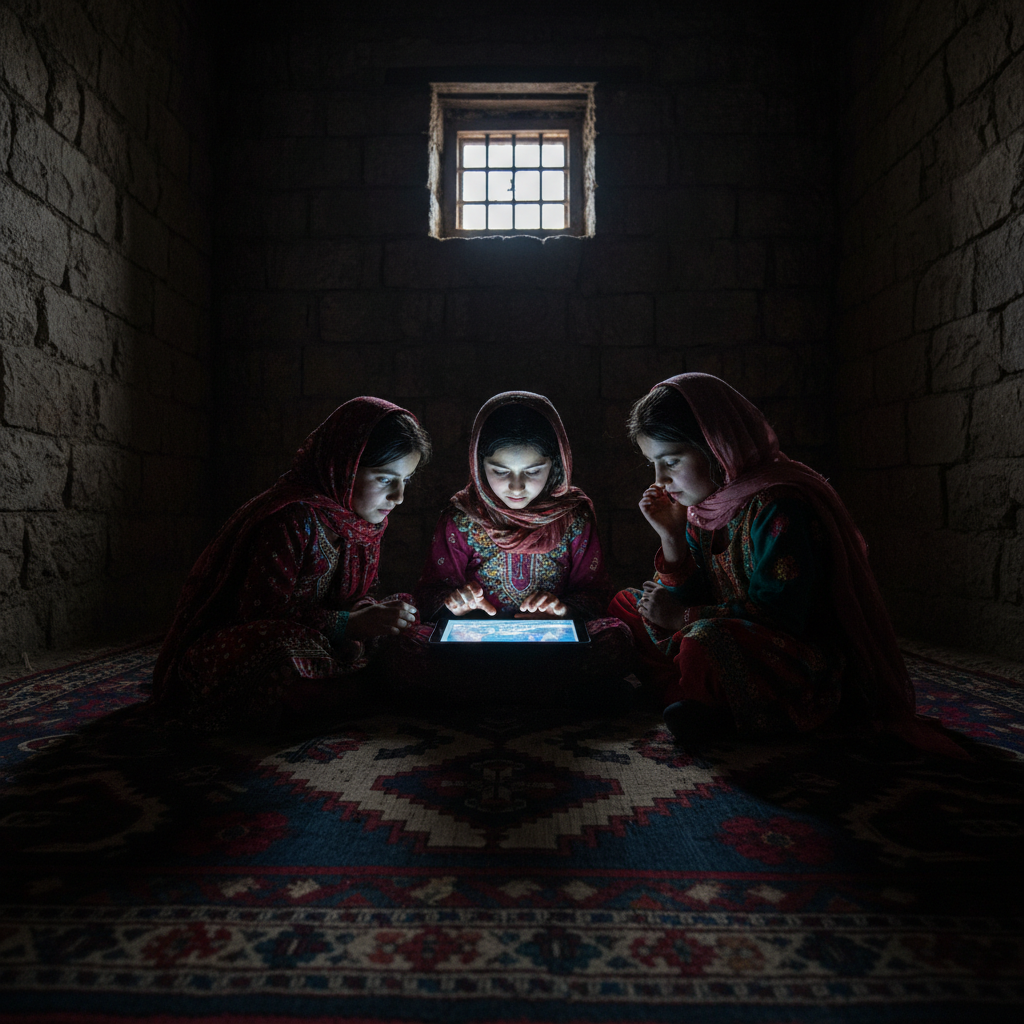
To minimize the risk of detection, the initiative focuses on small, localized learning pods. Rather than gathering dozens of students in one place, classes are kept to five or six girls. They meet in rotating private homes. If one location becomes compromised, the others can continue uninterrupted.
The learning materials are delivered through several clever methods:
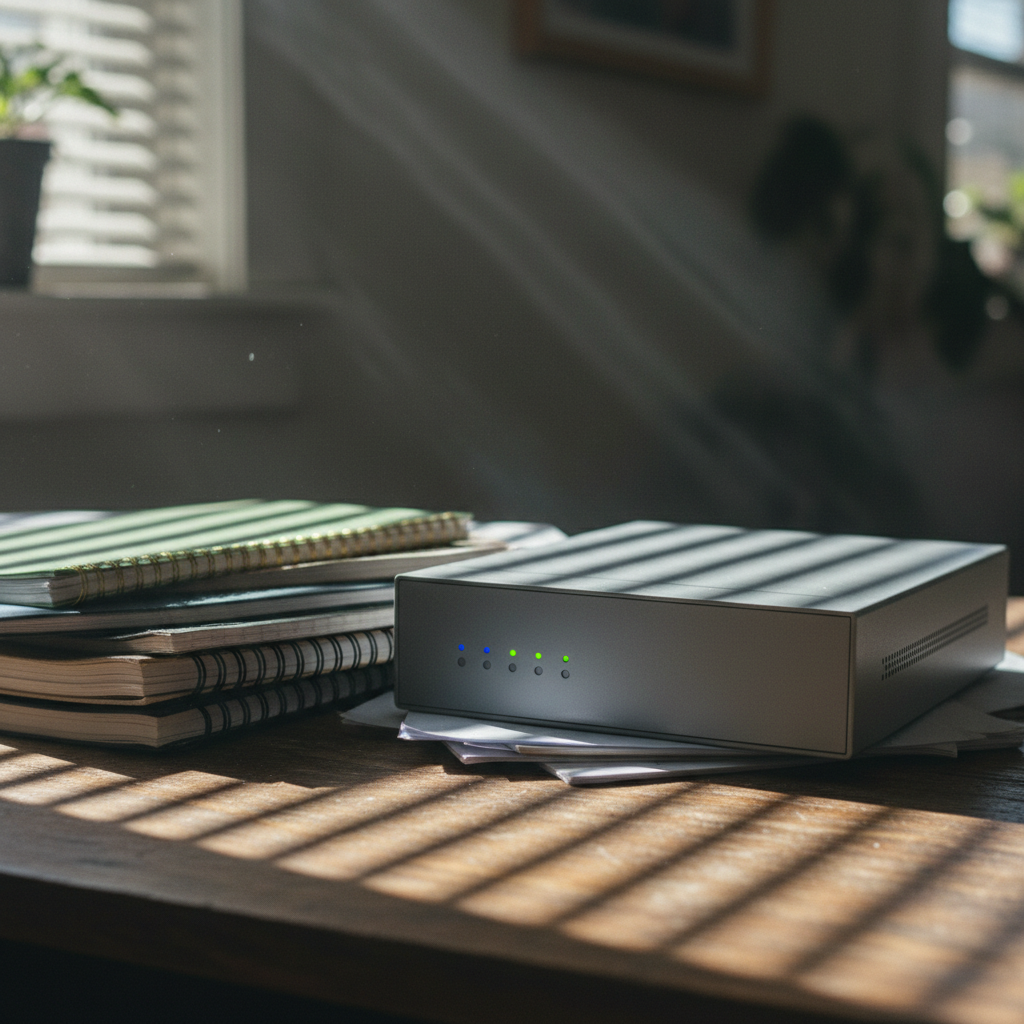
- Offline Micro-Servers: Small, portable digital storage devices are pre-loaded with complete educational curricula, interactive math tools, and science videos. These devices generate their own local Wi-Fi signals, allowing students to access lessons on older smartphones or tablets without connecting to the public internet, which the Taliban monitors.
- Encrypted Communications: Teachers and coordinators use heavily encrypted messaging apps with self-destructing messages to plan meeting times and share assignments.
- Physical Smuggling Networks: Textbooks and physical learning materials are disguised as household items or shopping goods and carried across checkpoints by trusted local couriers.
The High Stakes of Defiance
The dangers associated with these activities cannot be overstated. In recent months, the Taliban has intensified its crackdown on female education activists. Several high-profile advocates have been arrested, detained, and subjected to harsh interrogations. For the teachers who run these classes, the threat of imprisonment or worse is a daily reality.
Zala, a former high school biology teacher who now runs three secret classrooms in Herat, spoke about the constant anxiety. She asked to use a pseudonym to protect her safety. “Every time there is a knock on the gate, my heart stops,” she said via an encrypted voice note. “But when I look at the girls’ faces, I know I cannot stop. Education is the only window they have left to the outside world. If we close that window, we lose our future.”
The psychological toll on young Afghan girls has been devastating. Doctors and aid workers in the region report skyrocketing rates of depression, anxiety, and early marriage among teenage girls who have been shut out of school. For many of these teenagers, the secret classes are more than just a place to study; they are a vital emotional lifeline.
A Digital Shield Against Tyranny
Technology is the cornerstone of the new coalition’s approach. By partnering with international tech companies, the group is working to distribute satellite internet terminals to strategic, highly secure locations across the country. These terminals allow local coordinators to download updated lesson plans and upload student work to mentors located outside Afghanistan.
The initiative also pairs Afghan students with virtual tutors from the Afghan diaspora and other English-speaking countries. These one-on-one sessions provide critical feedback and encouragement to students who are studying in isolation.
To protect the identities of both students and teachers, the digital platforms use advanced anonymity features. No real names are used, and video feeds are often distorted or replaced with avatars during live sessions to prevent facial recognition software from identifying participants.
A Shared History of Resistance
This is not the first time Afghan women have had to fight for their education in secret. During the first era of Taliban rule in the late 1990s, underground schools operated in much the same way. Organizations like the Revolutionary Association of the Women of Afghanistan (RAWA) ran hidden classrooms in private apartments across Kabul and Herat.
Many of the women who learned in those secret schools went on to become doctors, lawyers, and politicians during the twenty years of democratic governance that followed. Activists say that history proves that the desire for education cannot be stamped out permanently.
“They tried to bury us thirty years ago, and they failed,” said Maryam, an Afghan exile who is coordinating the coalition’s ground logistics from a neighboring country. “A woman who knows how to read cannot be easily controlled. The Taliban knows this. That is why they are so afraid of little girls with books.”
How the World Can Assist
The coalition is calling on international governments and private donors to step up their support for clandestine education initiatives. While official diplomatic channels remain stalled as Western nations refuse to recognize the Taliban government, advocates argue that funding underground civil society groups is the most effective way to help the people of Afghanistan directly.
The initiative has set up secure, anonymous donation channels to purchase more digital tablets, satellite hardware, and basic school supplies. The funds also help provide small, discreet stipends to the local teachers who are risking their lives to lead the classes.
As the conflict drags on, the determination of these young girls remains unshaken. Back in the quiet Kabul room, the knocking on the gate stops. The visitor has moved on. The girls let out a collective breath, slide the books back out from under the cushions, and turn the tablet screen back on. The lesson continues.
