The 17 Venezuelan Oil Fields the US Wants to Unlock
As global energy markets tighten, Washington is quietly eyeing 17 crucial Venezuelan oil fields to boost heavy crude supplies.
A Geopolitical Tug-of-War Over Heavy Crude
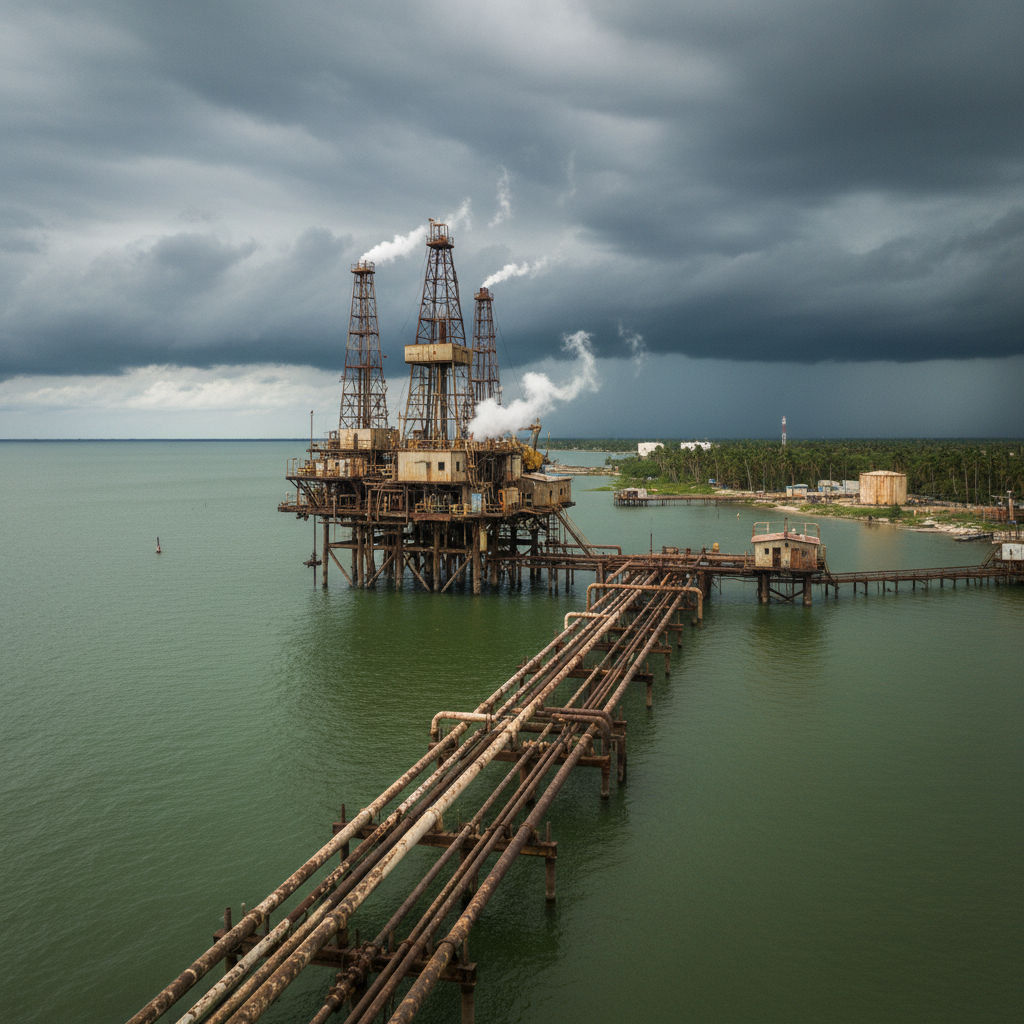
Deep beneath the muddy waters of Lake Maracaibo and the dry grasslands of the Orinoco Belt lies the world’s largest proven oil reserve. For years, this vast wealth has remained largely locked away. Sanctions, corruption, and systemic neglect have turned Venezuela’s once-proud oil industry into a graveyard of rusted derricks and leaking pipelines. Yet, as geopolitical tensions flare from Eastern Europe to the Middle East, Washington is quietly recalculating its strategy. The prize? Access to 17 specific oil fields that could help stabilize global markets and supply thirsty refineries on the US Gulf Coast.
It is a delicate balancing act. On one hand, the United States wants to promote democratic reforms in Caracas. On the other, the reality of high pump prices and restricted global supplies makes Venezuela’s heavy sour crude incredibly attractive. The Biden administration has experimented with easing sanctions, granting specific licenses to companies like Chevron, and then pulling back when political progress stalls. But behind the diplomatic posturing, the underlying economic hunger for these specific fields remains unchanged.
The 17 Target Fields: Where is the Oil?
The fields in question are not uniform. They are split between two vastly different geological regions, each presenting its own set of technical and logistical challenges. Together, these 17 assets form the backbone of what Western oil executives hope to revive.
The Orinoco Heavy Oil Giants
The Orinoco Belt, or Faja Petrolífera del Orinoco, contains the bulk of Venezuela’s reserves. Here, the crude is extra-heavy, possessing the consistency of cold molasses. It cannot flow through pipelines without being diluted or heated. Among the targeted fields in this region are the massive blocks managed by key joint ventures, known locally as empresas mixtas.
Four of the most critical fields here are Petropiar, Petroindependencia, Sinovensa, and Petromonagas. Petropiar is particularly prized because it features an advanced upgrader capable of converting the thick, tar-like sludge into a lighter, highly marketable synthetic crude. Chevron holds a 30% stake in Petropiar, and it has been the primary engine of Venezuela’s modest export recovery over the past year. Petroindependencia is another massive block where US interest runs deep. If fully funded, these Orinoco fields could easily add hundreds of thousands of barrels to daily global production.
The Western Basin Veterans
Unlike the sluggish tar of the Orinoco, the fields around Lake Maracaibo in western Venezuela yield a lighter, more traditional grade of crude. This is where Venezuela’s oil boom began a century ago. These fields are mature, meaning they are easier to refine but require sophisticated secondary recovery techniques to extract what remains.
Key fields in this western cluster include Petroboscan and Petroindependiente. Petroboscan, located in the state of Zulia, produces asphalt-rich heavy crude that is highly sought after by US infrastructure projects. It has been a reliable workhorse for decades, but it is currently plagued by electrical blackouts and clogged pipelines. Petroindependiente, which taps into reservoirs beneath Lake Maracaibo itself, offers medium crude that can be processed with far less upgrading than Orinoco oil. US refiners are eyeing these western fields because they can be brought back online much faster than the massive projects in the east, provided the local electrical grid can be stabilized.
The Diluent Dilemma and Broken Pipes
Getting the oil out of the ground is only half the battle. The infrastructure in Venezuela is in a state of advanced decay. Decades of underinvestment by the state run petro-giant PDVSA have left the country’s pipeline network resembling a sieve. In Lake Maracaibo, aging underwater pipes leak constantly, painting the water with slick, iridescent sheen and angering local fishermen. The smell of sulfur and gas hangs heavy over abandoned lakeside towns.
To make matters worse, Venezuela struggles to produce the diluents needed to move its extra-heavy Orinoco crude. Historically, PDVSA imported light naphtha to blend with the heavy oil so it could flow through pipelines to the coast. Under strict US sanctions, obtaining these diluents became a logistical nightmare. Chevron has bypassed this by shipping US-produced heavy naphtha directly to its joint ventures. But this is a temporary patch, not a permanent solution. To fully unlock all 17 fields, billions of dollars must be spent on rebuilding upgrading facilities, repairing deep-water ports, and dredging the shallow navigation channels of Lake Maracaibo so supertankers can pass safely.
Washington’s Pragmatic Pivot
The geopolitical calculus in Washington has shifted dramatically since the Russian invasion of Ukraine. With Russian Urals crude largely cut off from Western markets, US Gulf Coast refineries found themselves in a bind. These highly complex refineries, located primarily in Texas and Louisiana, are not built to process light shale oil from West Texas. They were engineered decades ago to run on heavy, sour crude from Mexico, Venezuela, and the Middle East.
With Mexican production declining and OPEC+ keeping a tight lid on supply, Venezuelan crude is the missing puzzle piece. This is why the US Treasury Department has issued targeted waivers, such as General License 41, which allowed Chevron to resume limited operations and export crude back to the United States. It was a pragmatic move. The oil flows to US shores, helping to keep domestic gasoline prices stable, while the revenue generated is used to pay down PDVSA’s multi-billion-dollar debts to Chevron, meaning very little actual cash flows directly into the coffers of Nicolás Maduro’s government.
The Refineries that Starve Without Venezuelan Mud
For US refiners like Valero, Motiva, and PBF Energy, the access to Venezuelan heavy crude is a matter of pure economics. When Venezuelan oil was banned from the US market in 2019, these refiners had to scramble to find expensive alternatives. They had to modify their facilities or pay premium prices for heavy barrels from as far away as Iraq.
“Our refineries are built for this mud,” says one Gulf Coast energy analyst who spoke on the condition of anonymity. “You can’t just feed them light Permian crude and expect them to run at peak efficiency. They need that heavy, sulfurous feed to produce high-yield diesel and jet fuel. Opening up those 17 fields in Venezuela is the easiest way to bring balance back to the Gulf refining complex.”
An Uncertain Path Forward
Despite the clear economic incentives, the political road ahead is fraught with obstacles. Every step forward in energy cooperation is threatened by the volatile political climate in Caracas. Following controversial presidential elections in Venezuela, Washington has threatened to tighten the screws once more. But total isolation seems unlikely.
The reality on the ground is that European competitors like Repsol and Maurel & Prom, alongside Chinese state firms, are eager to fill any vacuum left by US companies. If Washington retreats, it risks ceding control of the world’s largest oil reserves to geopolitical rivals. For now, those 17 oil fields remain a highly coveted prize, caught between the hard realities of global energy demand and the stubborn deadlock of international diplomacy.
