Trump Warns of Imminent Strike on Iran Nuclear Site
President Trump warns of potential military strikes on Iran’s Pickaxe Mountain nuclear site as the US Treasury targets a Turkish bank over Tehran ties.
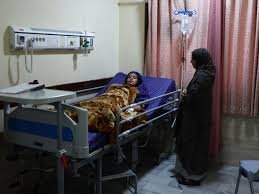
Washington is bracing for a potential military flashpoint in the Middle East. President Donald Trump announced the United States could launch airstrikes “very soon” on Pickaxe Mountain, a fortified Iranian site believed to house critical nuclear development facilities.
The threat came fast. It has immediately escalated tensions across the Persian Gulf and sent shockwaves through global energy markets.
Almost simultaneously, the US Treasury Department ratcheted up financial pressure. US officials hit a prominent Turkish bank with severe sanctions, accusing the institution of running back-channel financial networks for the Iranian government.
The Threat to Pickaxe Mountain
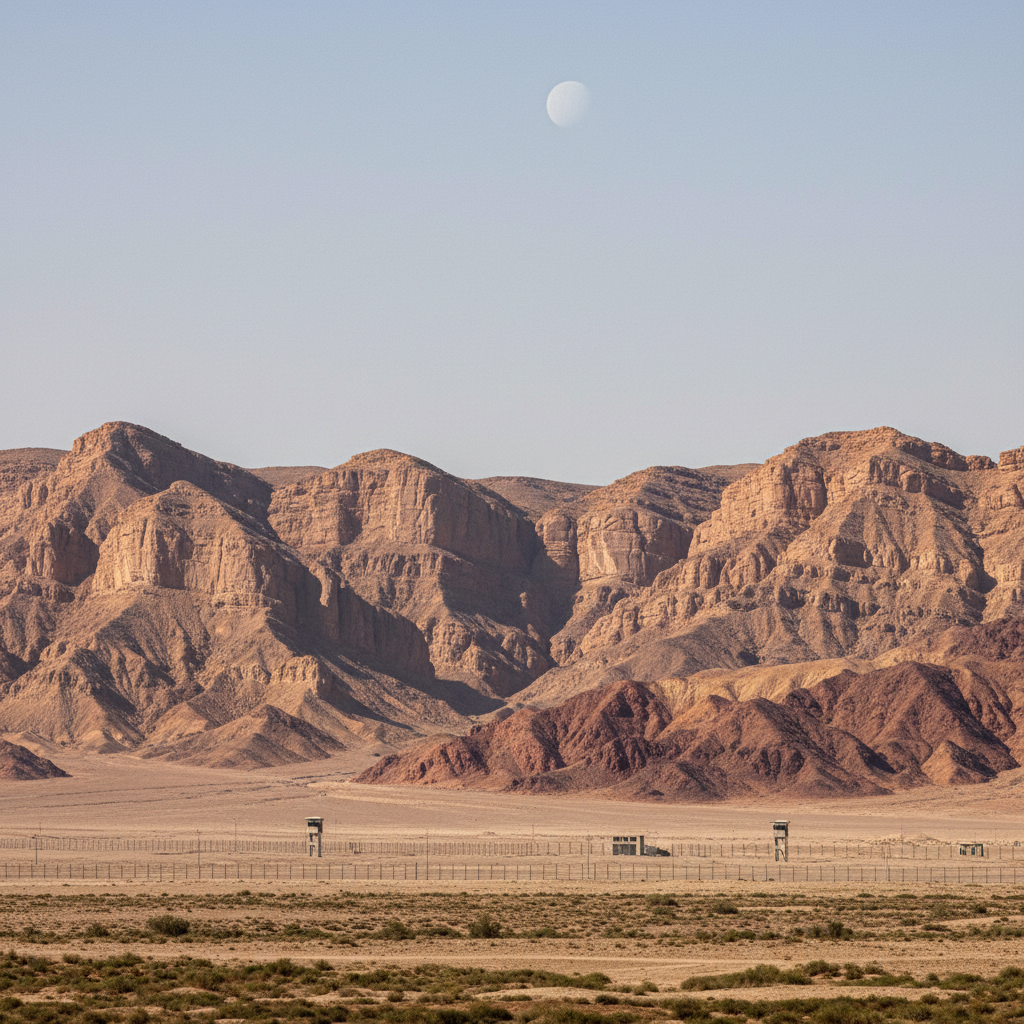
Pickaxe Mountain has long been a dark spot on the map for Western intelligence agencies. The site is known for its heavily fortified, underground chambers dug deep into rugged terrain.
Military planners have eyed the facility for years. It was built to survive conventional bunker-buster munitions, making any potential strike highly complex.
Tehran has consistently denied building weapons at the site. Iranian officials claim their nuclear research is entirely peaceful and intended for domestic energy production.
The Pentagon hasn’t confirmed specific operational plans. Yet, the President’s public warning suggests military preparations have entered an active phase.
White House national security advisers have reportedly presented several options to the president. These range from cyber warfare to targeted cruise missile strikes.
Squeezing the Money: Turkish Bank Sanctions
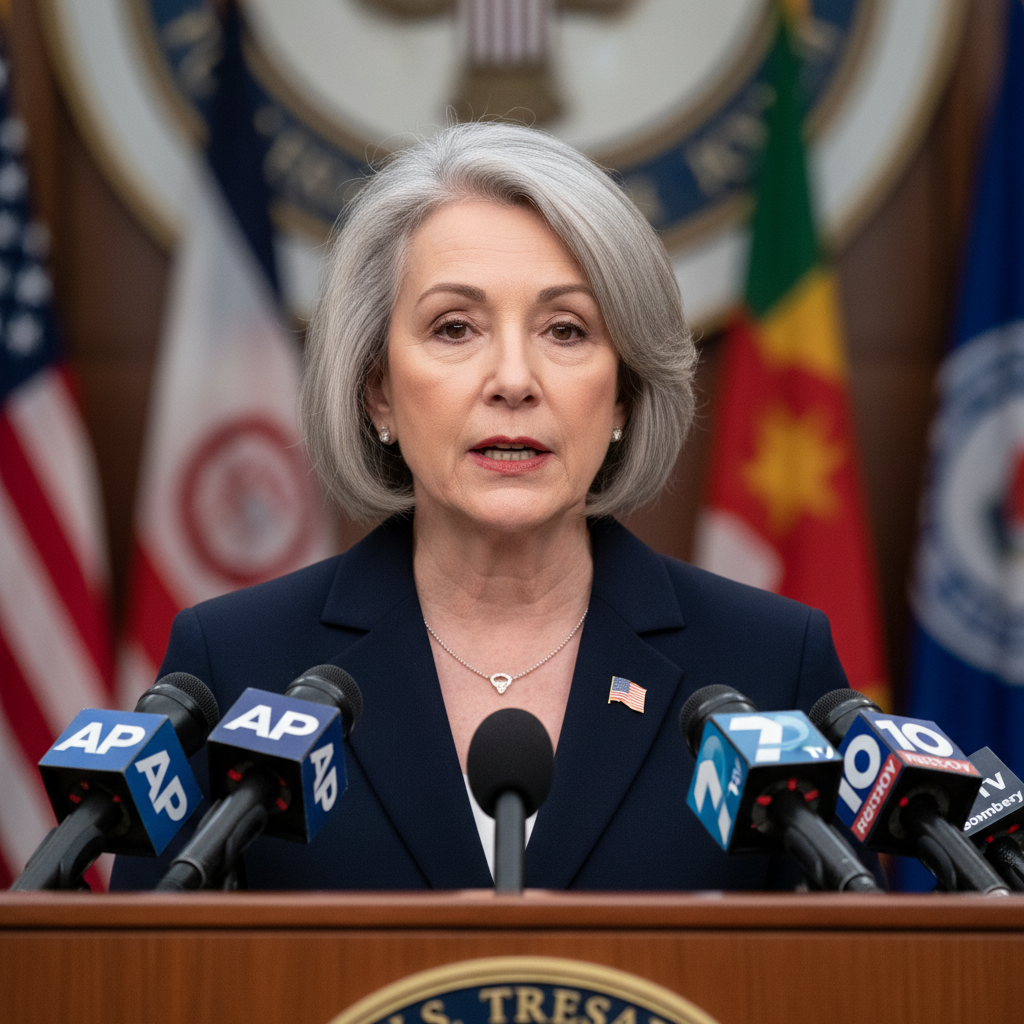
The financial blacklist is just as volatile as the military threats. By penalizing the Turkish bank, Washington is sending a direct message to Ankara.
For years, Turkish financial channels have served as a vital pressure valve for Iran’s isolated economy. This isn’t the first time Turkish lenders have faced the wrath of the US Treasury.
The move threatens to tear the already frayed alliance between Washington and Turkish President Recep Tayyip Erdogan. US officials argue the bank systematically bypassed sanctions to funnel millions of dollars to Iranian state actors.
“We are cutting off the oxygen,” a senior Treasury official said under condition of anonymity. “The era of look-the-other-way banking is over.”
Ankara has protested the decision, calling the sanctions unilateral and unjust. Turkish authorities warn the move could damage regional trade and destabilize the local economy.
The Campaign Trail and the Netanyahu Factor
Timing is everything. With the US presidential election looming, foreign policy has become a domestic battleground.
Israeli Prime Minister Benjamin Netanyahu has long pressed Washington to take decisive action against Iran’s nuclear infrastructure. This latest rhetoric aligns closely with Israel’s long-standing security demands.
Critics argue Trump’s aggressive stance is designed to rally his domestic base. They say it distracts from domestic economic pressures.
Supporters, however, insist that a credible military threat is the only language Tehran understands. They believe past diplomatic efforts have failed to yield results.
Congress remains deeply divided on the issue. Hawkish lawmakers are cheering the aggressive posture, while others warn of an unauthorized and costly war.
The Military Reality
A strike on Pickaxe Mountain would not be a simple operation. It would require precision-guided munitions, potentially the GBU-57 Massive Ordnance Penetrator.
This 30,000-pound bomb is designed to punch through hundreds of feet of concrete and solid rock before detonating. The US Air Force is the only military in the world with this capability.
Any such strike risks triggering a wider regional war. Iran’s proxies in Iraq, Yemen, and Lebanon are primed to retaliate against US assets and allies.
- US bases in Iraq and Syria would face immediate rocket and drone attacks.
- Yemeni Houthi rebels could target commercial shipping in the Red Sea.
- Hezbollah could launch rocket barrages into northern Israel.
The Strait of Hormuz, a vital bottleneck for global oil supply, could be shut down instantly. Wall Street is watching closely, with energy analysts warning that crude prices could spike past $100 a barrel if missiles fly.
Diplomatic Fallout
European allies are urging restraint. Leaders in London, Paris, and Berlin want to revive diplomatic channels to prevent a wider conflict.
They fear a unilateral US strike will permanently destroy any hope of a negotiated nuclear treaty. They’ve urged both Washington and Tehran to de-escalate.
Meanwhile, Russian and Chinese officials have condemned the US threats. They call the potential strikes a violation of international sovereignty and international law.
The stage is now set for a high-stakes standoff at the United Nations. Diplomats are working behind the scenes to defuse the situation before words turn into active warfare.
