DHS Urges Local Officials to Inspect Voting Machine Flaws
The Department of Homeland Security is pressing state election officials to run deeper security checks on electronic voting systems.
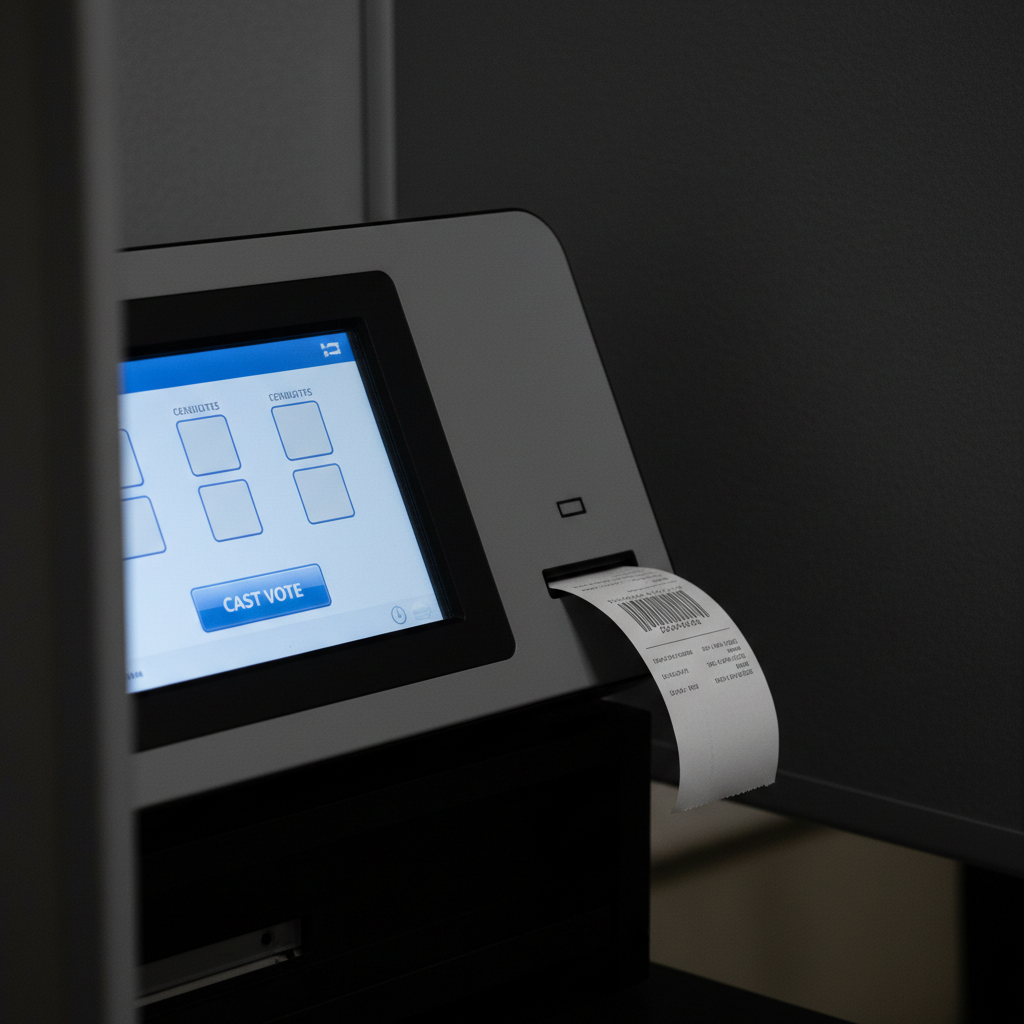
Federal cybersecurity officials are quietly pushing state and local governments to take a much closer look at the digital voting systems running American elections. In a series of quiet advisories and direct outreach, the Department of Homeland Security has urged local administrators to conduct thorough security reviews of their electronic voting machines. The goal isn’t to look backward at past elections, but to steel the nation’s infrastructure against future threats.
This push highlights a delicate, ongoing dilemma for federal agencies. They must identify and fix very real technical vulnerabilities without feeding the fires of political conspiracy theories. For years, the Cybersecurity and Infrastructure Security Agency, or CISA, has worked alongside state election directors. Now, the agency is advising states to run rigorous checks, update legacy software, and maintain strict physical security over voting hardware.
The Vulnerability at the Heart of the Debate
The latest federal push stems from a highly scrutinized security analysis of voting machines used in several states. Computer scientists have long warned that no digital system is entirely impenetrable. Those warnings turned into concrete security advisories when researchers analyzed touchscreen voting machines manufactured by major election technology vendors.
A key figure in this effort is J. Alex Halderman, a computer science professor at the University of Michigan. Halderman was granted access to voting machines as part of a long-running federal lawsuit in Georgia. His subsequent report detailed several critical vulnerabilities. He discovered that a hacker with physical access to a machine could theoretically alter vote tallies or change the printed paper ballots that voters use to verify their choices.
CISA eventually reviewed Halderman’s findings and agreed that the vulnerabilities were real. The agency issued an official advisory detailing the flaws. However, federal officials have repeatedly emphasized a crucial caveat: there is absolutely no evidence that these vulnerabilities have ever been exploited in a real-world election. Still, experts warn that relying on the hope that hackers won’t find these flaws is a dangerous strategy.

The Challenge of Decentralized Elections
In the United States, there is no single, centralized voting system. Elections are run at the state and county levels. This means the federal government cannot simply order local officials to patch their systems or buy new machines. DHS can only advise, assist, and warn.
This decentralized setup creates a complex patchwork of election security. Some states move quickly to install software updates and implement new security protocols. Others hesitate. Upgrading voting machine software is not as simple as updating an operating system on a personal smartphone. It requires rigorous certification, thousands of hours of testing, and significant funding that local counties often do not have.
In some states, election officials have resisted installing patches close to major election cycles. They argue that changing the software on thousands of machines right before voters head to the polls poses a greater logistical risk than the theoretical threat of a highly sophisticated cyberattack. A botched software update could cause machines to crash on election day, creating long lines and chaos at polling places.
Paper Trails and Physical Security
Because digital systems can never be completely secure, election experts increasingly point to physical safeguards as the most important line of defense. Chief among these is the voter-verified paper audit trail. When a voter uses an electronic machine, the system prints a paper ballot showing their choices. The voter reviews this paper before placing it into a secure tabulator.
If a hacker were to alter the digital tally inside a voting machine, a hand recount of those physical paper ballots would reveal the discrepancy. This is why DHS and nonpartisan election security groups are pushing states to conduct regular, robust post-election audits.
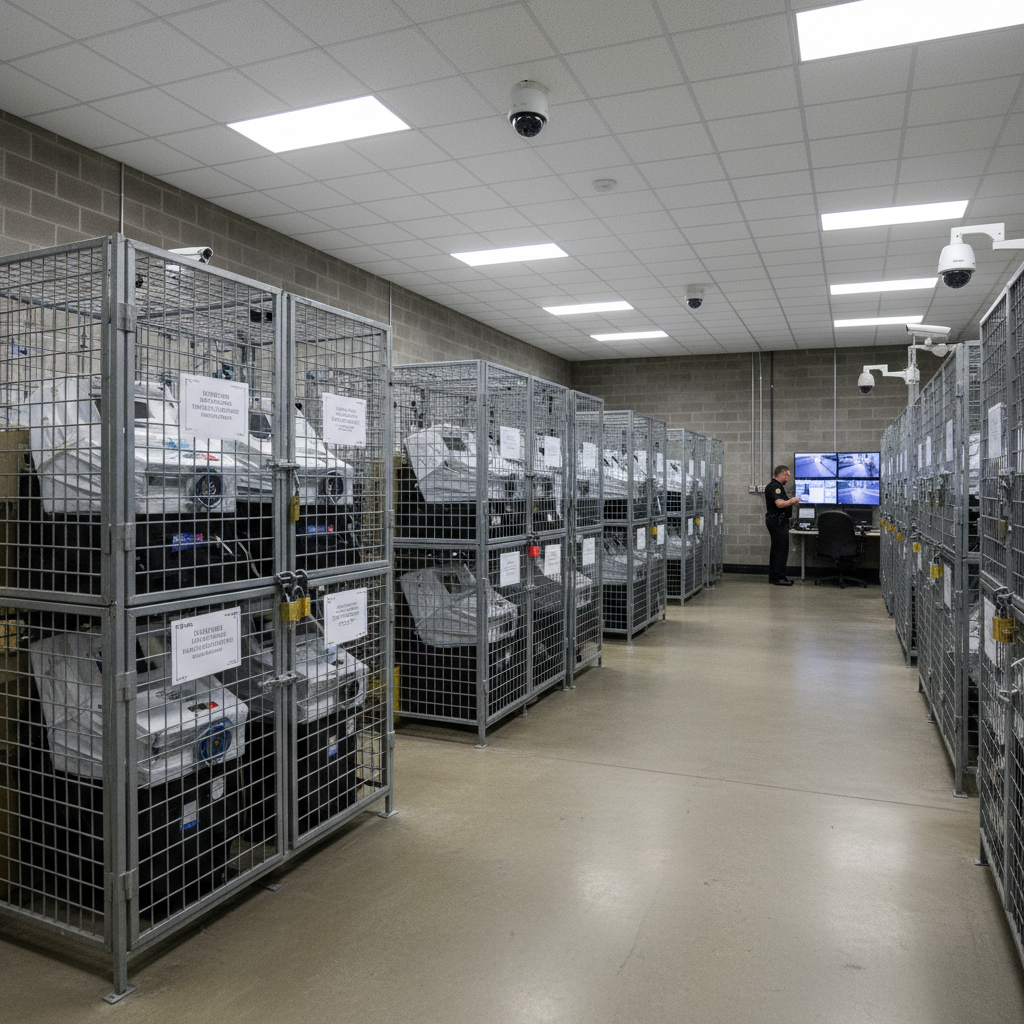
“Physical security is our ultimate fail-safe,” says one election administrator who spoke on the condition of anonymity. “If we protect the paper, we protect the vote. A hacker in a foreign country can’t physically reach into a locked metal ballot box in a county warehouse.”
In addition to paper trails, federal officials are urging local jurisdictions to implement strict chain-of-custody procedures. This means keeping voting machines in secure, locked facilities under 24-hour video surveillance. It also means restricting who can access the machines with USB drives or other external devices, which are often the primary vectors for malware installation.
Balancing Transparency and Security
As DHS pushes for these inquiries, officials must navigate a deeply polarized political environment. For years, false claims about rigged voting machines have circulated widely, leading to threats against election workers and a decline in public trust. Federal officials worry that speaking openly about voting machine vulnerabilities might be weaponized by bad actors to claim that elections are rigged.
Yet, security experts argue that hiding vulnerabilities is far more dangerous. They believe transparency is the only way to build lasting trust. By acknowledging flaws and openly detailing how they are being fixed, election officials can demonstrate that the system is resilient and capable of self-correction.
The Department of Homeland Security continues to offer free cybersecurity assessments, penetration testing, and vulnerability scanning to any local election office that requests them. While participation is entirely voluntary, a growing number of counties are taking DHS up on the offer. They recognize that in the modern threat environment, election security is not a one-time task, but a continuous race against hidden adversaries.