Apple Sets iPhone 18 Launch as New CEO John Ternus Takes Reins
Apple sets its September 9 event at Apple Park, marking the debut of new CEO John Ternus and the highly anticipated foldable iPhone 18.
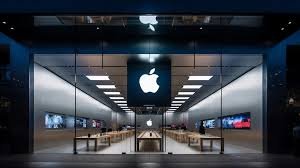
CUPERTINO, Calif. — Apple Inc. is preparing to pull back the curtain on its next generation of devices on September 9, marking the highly anticipated public debut of its new chief executive, John Ternus. The Silicon Valley giant’s autumn showcase at Apple Park will serve as a baptism by fire for Ternus, who took the reins on September 1 after long-time leader Tim Cook transitioned to the role of executive chairman.
Wall Street is watching closely. Investors want to see if Ternus can steer the world’s most recognizable tech brand into a new era of AI-driven hardware. He is not just launching another minor phone update. Analysts widely expect Apple to unveil its long-rumored, first-ever foldable iPhone alongside the premium iPhone 18 Pro and Pro Max lineups, fundamentally shaking up the smartphone market.
The Transition of Power at Apple Park
For more than a decade, Tim Cook commanded the Apple stage, turning the company into a multi-trillion-dollar titan. Now, the spotlight shifts to Ternus, a trusted hardware veteran who has been climbing the executive ranks for years. This leadership handoff, finalized at the start of September, marks a new chapter for Cupertino.
The upcoming launch event represents Ternus’s first major public test. He must convince both consumers and the financial sector that Apple can maintain its innovative edge under his watch. The transition creates immediate scrutiny. Every gesture, presentation style, and product announcement will be picked apart by analysts seeking clues about the company’s future direction.
Why the September 9 Showcase Matters
- A New Leadership Style: Investors want to see if Ternus brings a more product-focused, engineering-heavy approach to the keynote than his predecessor.
- Silicon Valley Succession: Smooth handoffs are rare in tech, making this a high-stakes moment for Apple’s corporate governance.
- Reigniting Consumer Excitement: With upgrade cycles lengthening, Cupertino needs a massive hit to get consumers back into Apple Stores.
Entering the Foldable Arena
Apple’s expected entry into the foldable phone market is a direct challenge to Samsung, which has enjoyed a comfortable lead in this premium segment for years. While foldables remain a niche luxury category, Apple’s entrance could turn a novelty design into a mainstream standard.
Interestingly, Apple’s biggest rival is welcoming the competition. Samsung product executives have publicly embraced the challenge. A broader playing field, they argue, brings much-needed attention to the category. “The more visibility there is on the category, the better,” a Samsung mobile executive recently told reporters, suggesting that Apple’s entry might expand the entire foldable market rather than just cutting into Samsung’s existing sales.
The Economics of the Foldable iPhone
Financially, a foldable iPhone is a powerful tool. Instead of asking consumers to buy another iterative, slightly faster version of the phone they already own, Apple can command a massive price premium. This strategy is expected to drive up average selling prices and boost profit margins at a time when global smartphone sales have struggled to find rapid growth.
Wall Street expects these premium devices to become genuine engine drivers for Apple’s top-line revenue. By offering a high-end, novel design, the company bypasses the fatigue associated with standard glass slabs. It shifts the conversation from modest camera upgrades to a true hardware revolution.
Siri AI and the 2-Nanometer A20 Pro Chip
The hardware redesign is only half the battle. Under the hood, Apple is betting big on artificial intelligence to keep users locked into its ecosystem. The company is expected to debut “Siri AI,” a rebuilt, deeply integrated virtual assistant powered by its latest proprietary chips.
To support these demanding AI algorithms, the iPhone 18 Pro models are rumored to carry the new 2-nanometer A20 Pro chip. This advanced silicon promises unprecedented processing power and energy efficiency. By shrinking the transistors to the 2-nanometer level, Apple can cram more computing power into a smaller space, allowing complex AI models to run directly on the device rather than relying entirely on remote servers.
What to Expect from Siri AI
- Contextual Awareness: A virtual assistant that understands your daily habits, calendar, and messages to anticipate your needs.
- On-Device Processing: Keeping sensitive user data on the phone itself, preserving Apple’s core commitment to user privacy.
- Seamless Ecosystem Integration: Smarter control over Apple Watches, iPads, and MacBooks through unified natural language processing.
The Analyst Outlook on the Ternus Era
The stakes could not be higher for Ternus as he steps onto the stage. Bank of America analysts recently noted that this launch represents a key moment for the new chief executive. In an August note to investors, the firm wrote that Ternus has a unique opportunity to “cement Apple’s device dominance in an AI-enabled era.”
If the launch goes off without a hitch, it will validate the board’s succession plan and reassure Wall Street that the company’s operational machine remains intact. A weak reception, however, could fuel doubts about Apple’s ability to innovate without Cook’s operational wizardry. All eyes will be on Cupertino on September 9 to see if the new leader can deliver a masterpiece.
