Trump Administration Cuts Protections for US Wetlands
The Trump administration is stripping federal Clean Water Act protections from millions of acres of wetlands and seasonal streams across the country.
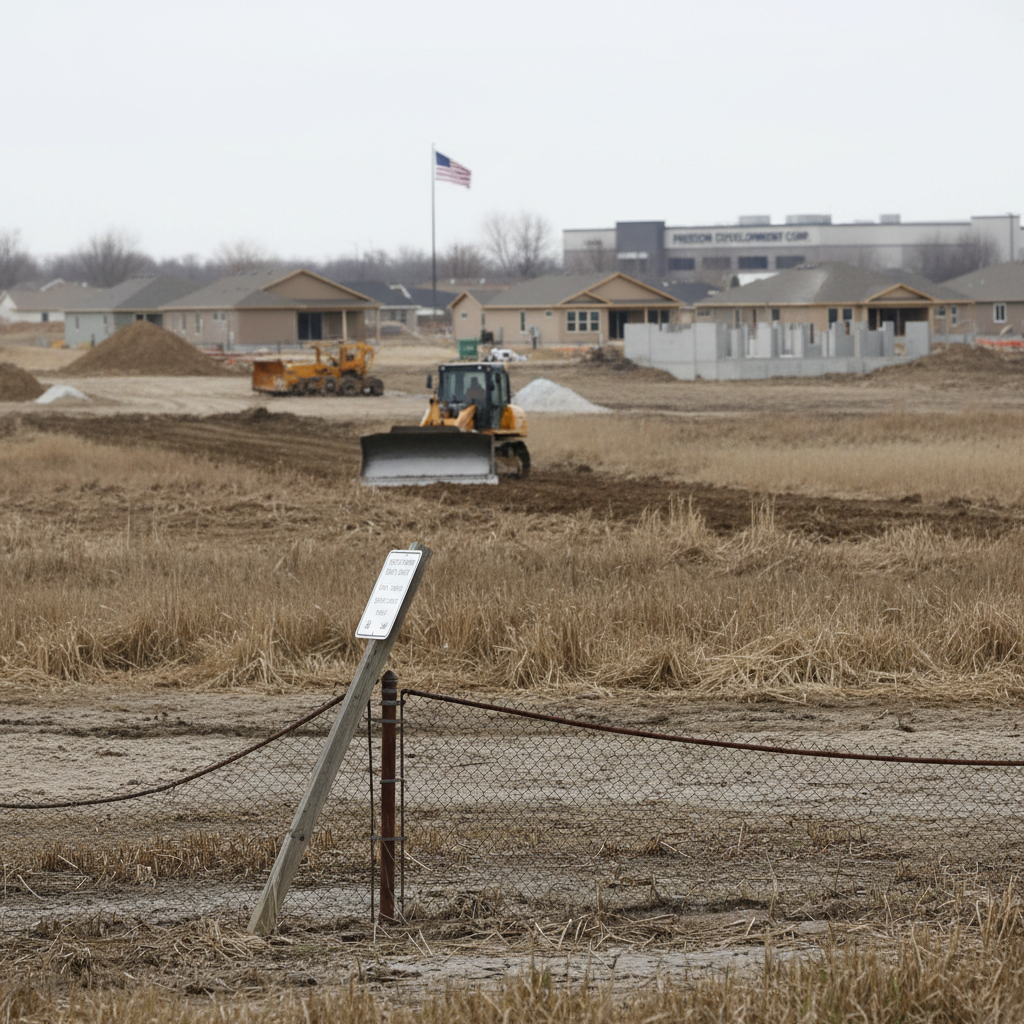
The federal government is officially shrinking its footprint in America’s waterways. In a move that redraws the map of environmental regulation, the Trump administration has finalized a rule that strips federal protection from millions of acres of wetlands and countless miles of seasonal streams. It is one of the most significant environmental policy shifts in decades, and the fallout is expected to reshape the American landscape for years to come.
The new regulation, known as the Navigable Waters Protection Rule, fundamentally redefines which bodies of water fall under the jurisdiction of the 1972 Clean Water Act. For nearly half a century, that landmark law has been the primary tool used to prevent pollution in the nation’s lakes, rivers, and streams. But the definition of what constitutes “Waters of the United States”—or WOTUS—has been a legal and political battleground for just as long.
With this latest rewrite, the administration has delivered a massive victory to developers, farmers, and fossil fuel companies. At the same time, it has outraged conservationists, state regulators, and public health advocates who warn that the change will leave drinking water sources vulnerable to pollution and destroy critical wildlife habitats.
The End of the Obama-Era Standard
To understand the scale of the change, you have to look back to 2015. That was when the Obama administration introduced the Clean Water Rule. That version sought to clarify federal jurisdiction by extending protections to smaller, headwater streams and nearby wetlands. The logic was simple: water flows downhill. If you pollute a small, seasonal creek, that pollution will eventually find its way into the larger rivers and lakes that millions of Americans rely on for drinking water.
But agricultural groups and real estate developers saw the 2015 rule as a regulatory nightmare. They argued that it gave federal bureaucrats power over dry ditches, farm ponds, and isolated patches of wet ground. They complained of long delays in getting permits and expensive fines for routine land management. Donald Trump tapped into this anger during his 2016 campaign, promising to scrap the rule entirely.
He kept that promise. Under the direction of EPA Administrator Andrew Wheeler, a former coal lobbyist, the agency set out to build a replacement. The resulting rule does not just repeal the Obama-era standards; it goes much further, rolling back protections that have been in place since the Reagan administration.
What Is In and What Is Out
Under the new rule, the federal government will only protect relatively permanent, standing, or flowing bodies of water. These include major rivers, lakes, and the territorial seas. It also protects tributaries that flow regularly in a typical year, along with wetlands that have a direct, surface-water connection to those larger, navigable waters.
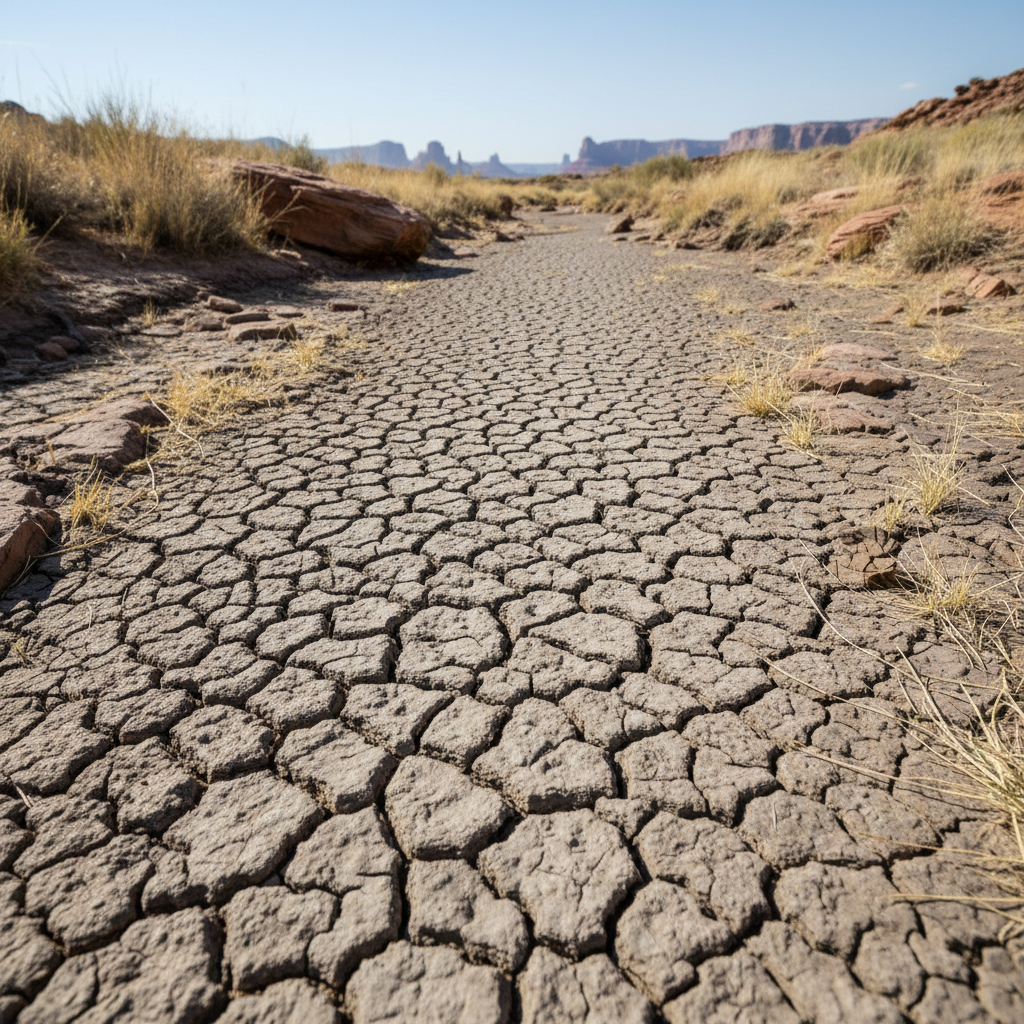
The list of what is no longer protected is much longer. Ephemeral streams, which only flow after a heavy rain or snowmelt, are completely excluded from federal oversight. According to some estimates, these seasonal waterways make up more than half of all streams in the United States, particularly in the arid West. Also excluded are wetlands that do not have a continuous surface connection to protected waters. If a wetland is separated from a river by a dune, a dike, or a strip of dry land, it is on its own.
For developers, this means they no longer need to apply for costly federal permits to dump dirt, gravel, or concrete into these newly exempted areas. They can build subdivisions, lay pipelines, and expand farms without having to prove they are not damaging the local ecosystem.
A Divide Over Economics and Science
The administration has framed the rule as a triumph of common sense and economic freedom. At a signing ceremony, Wheeler declared that the new rule balances environmental protection with economic growth. He argued that the previous rules had placed an unfair burden on landowners, turning ordinary farming activities into potential federal crimes.
“Our rule delivers on the president’s promise to restore the rule of law,” Wheeler said. He emphasized that states and tribes are fully capable of protecting their own waters without federal interference. The argument is that local authorities know their land better than federal regulators in Washington do.
But scientists, including the EPA’s own advisors, have raised major red flags. The agency’s Science Advisory Board, a panel of independent scientists tasked with reviewing EPA policies, warned that the rule ignored established science. In a blunt assessment, the board pointed out that there is no scientific justification for separating wetlands and seasonal streams from the larger aquatic ecosystems they support.
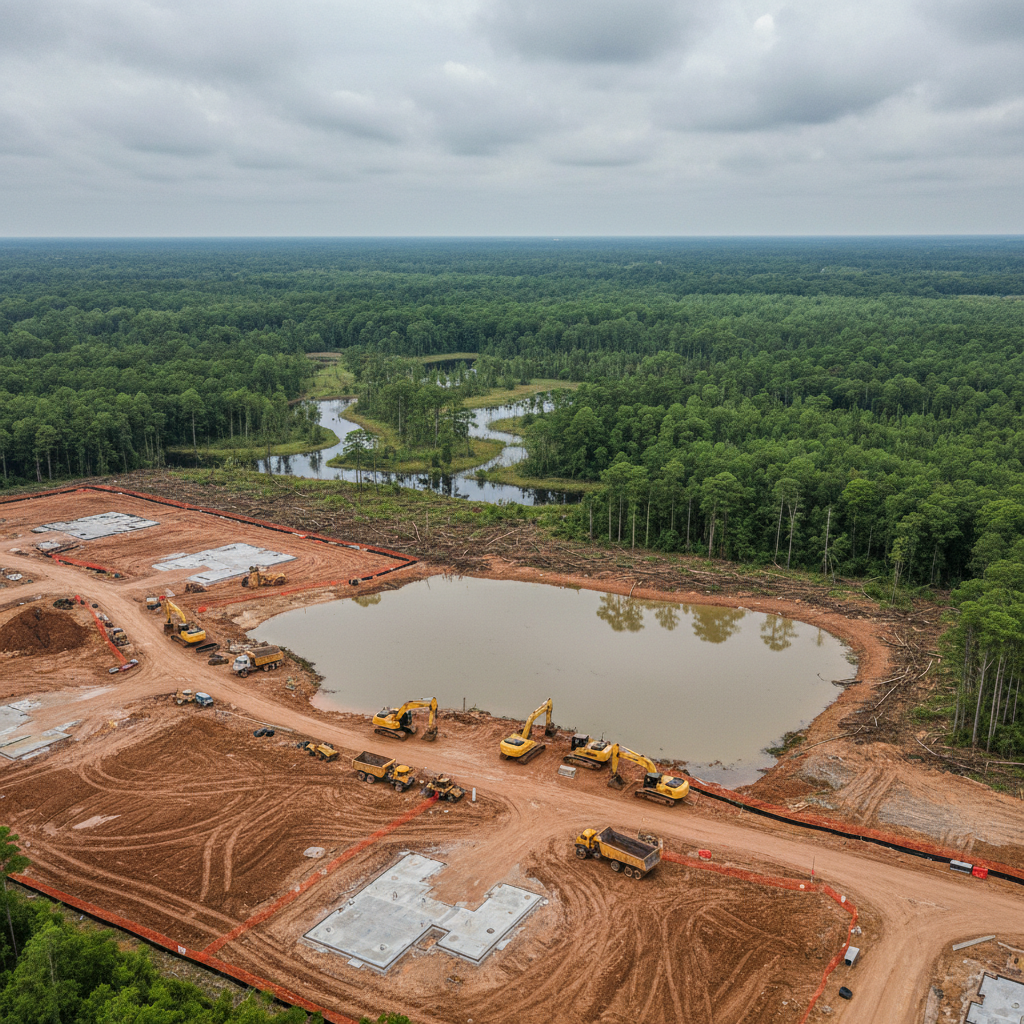
Environmentalists warn that the consequences will be severe. Wetlands act as natural sponges, absorbing floodwaters and filtering out pollutants before they reach municipal water systems. Without them, downstream communities could face more frequent, more severe floods and dirtier drinking water. The loss of ephemeral streams could also devastate fish and wildlife populations that rely on these temporary habitats for breeding and feeding.
The Legal Battles Ahead
The fight is far from over. A coalition of environmental groups and several state attorneys general have already announced plans to challenge the rule in federal court. They argue that the administration has ignored the core mandate of the Clean Water Act, which is to restore and maintain the chemical, physical, and biological integrity of the nation’s waters.
Legal experts predict a long and messy court battle. Because different federal courts have issued conflicting rulings on water regulation in the past, the country could end up with a patchwork of different standards. In some states, the new rule will go into effect immediately. In others, judges may issue injunctions, keeping older, more protective standards in place while the lawsuits wind their way through the system.
For businesses trying to plan long-term projects, this regulatory uncertainty is a major headache. A developer might find that a wetland is unprotected under federal law, but still subject to strict state or local regulations. Some states, like California and New York, have robust environmental laws that can fill the gap left by the federal pullback. Others, however, have laws that explicitly prevent state regulators from enacting rules that are stricter than federal standards. In those states, the loss of federal protection means the loss of all protection.
A Pendulum of Power
This dramatic shift highlight how quickly environmental policy can swing when the White House changes hands. What one administration builds, the next can dismantle. But rebuilding an ecosystem is not as easy as rewriting a rule.
Once a wetland is paved over or a stream bed is filled in, the damage is often permanent. Even if a future administration decides to restore the old protections, the physical changes to the land cannot easily be undone. For now, the construction crews are moving in, and the waters that once defined the limits of American development are being left to fend for themselves.
