Brewers vs. Reds: 10-Day Divisional War to Decide NL Central
The Milwaukee Brewers and Cincinnati Reds face off six times in ten days, a high-stakes September stretch that could define the NL Central race.
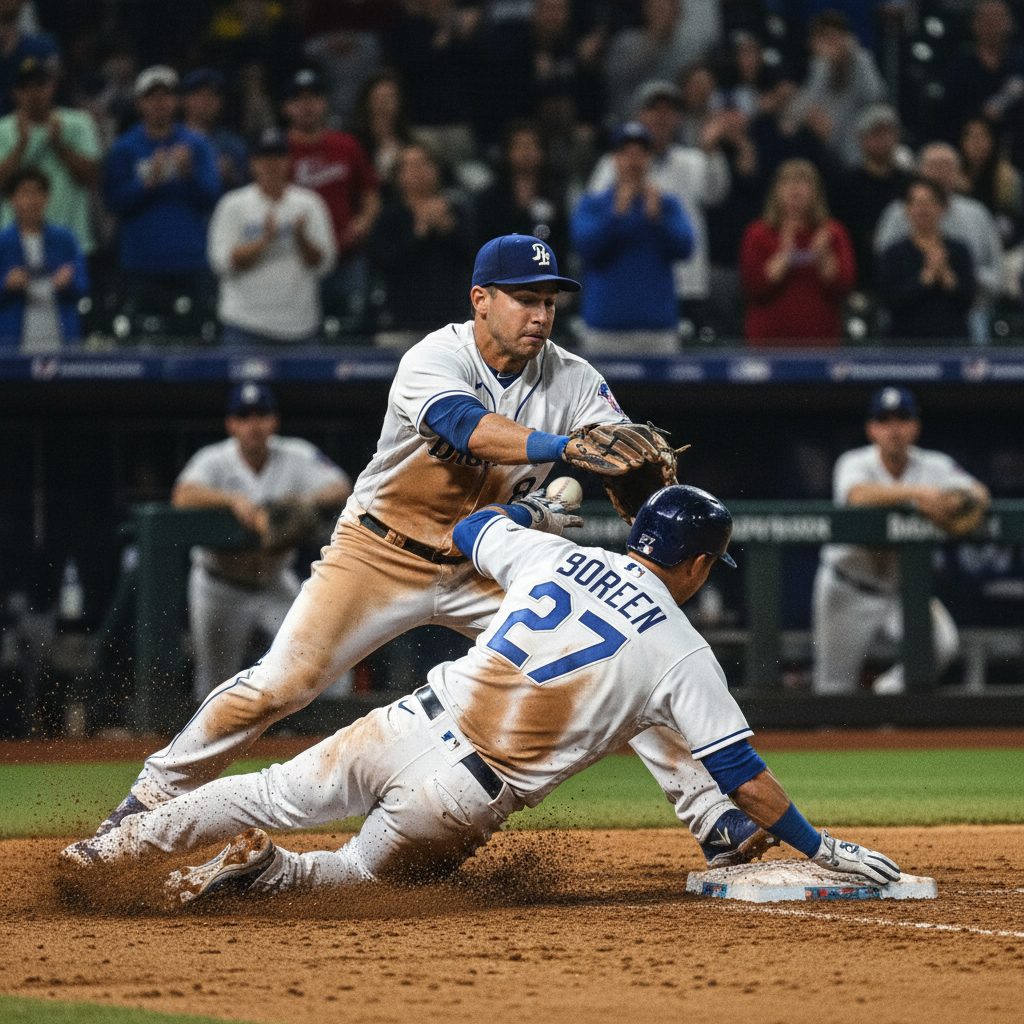
The September Sprint Begins Under Gray Skies
A stubborn late-summer rain delayed the opening pitch at Great American Ball Park on Friday night, but it did nothing to dampen the high stakes building in the National League Central. The Milwaukee Brewers, sitting on a commanding 87-54 record, arrived in Cincinnati for the first leg of an unusual scheduling quirk. Over the next ten days, these two divisional foes will clash six times, a heavy-duty stretch that could lock up the division for Milwaukee or inject pure chaos into the National League playoff picture.
For the visitors, the math is simple but urgent. With only 22 games left on their regular-season slate, the Brewers are hunting for more than just a postseason berth. They want the top seed, a first-round bye, and the October home-field advantage that makes American Family Field a tough place to play for traveling teams. Every win counts when chasing the top spots in the National League bracket.
Meanwhile, the Cincinnati Reds find themselves in a classic spoiler role. At 67-73, their playoff math is practically non-existent, but their clubhouse is far from dead. Riding the wave of back-to-back series victories, the home team is looking to make life miserable for their northern neighbors. In the dog days of September, playing spoiler is often the next best thing to playing for a ring.
Turang’s Knee and the Yelich Blueprint
Milwaukee manager Pat Murphy raised eyebrows before the rain delay by sliding second baseman Brice Turang down to the sixth spot in the batting order. Turang has been battling a nagging knee issue, and his late-summer numbers have taken a noticeable dip. In typical fashion, Murphy didn’t mince words when reporters asked if the young infielder was hitting a wall.
“He’s banged up, sure,” Murphy admitted, brushing off long-term concerns. “But this is September. Everybody is dealing with something.”
Murphy pointed to franchise icon Christian Yelich as the ultimate template for playing through late-season pain. The message to the clubhouse was clear: individual stat sheets do not matter when a division crown is within arm’s reach. Turang’s defense remains elite, and the Brewers are betting that his bat will come alive once the adrenaline of postseason baseball takes over. It is a calculated gamble, but one the Brewers must make given their current roster depth.
The Cost of the Pennant Chase: Trade Regrets
While the Brewers have enjoyed a magical 2026 campaign, not every roll of the dice by the front office has landed on a seven. The midseason trade for pitcher Dustin May is looking increasingly like an expensive mistake. May has struggled to find his rhythm since arriving in Milwaukee, raising serious questions about how Murphy will assemble his playoff rotation. Fans on Wall Street-style sports forums have already started grading the trade as a clear loss for the Milwaukee front office.
To make matters more complicated, the team’s front office has had to make ruthless roster adjustments on the fly. Just days ago, during a roller-coaster series against the Chicago Cubs that featured an embarrassing 17-3 loss followed by a gritty 9-4 rebound, the Brewers abruptly designated a six-foot-five right-handed pitcher for assignment. It was a stark reminder that in Milwaukee, past promises mean nothing compared to current production.
That leaves the pitching burden on fresher faces. Left-hander Shane Drohan gets the nod to open this crucial stretch against the Reds. Drohan has shown flashes of brilliance, but pitching in the hitter-friendly confines of Cincinnati is a different beast entirely. Every mistake in this ballpark has a habit of landing in the seats.
Cincinnati’s Youth Movement and the Spoiler Trap
The Reds might be playing for pride, but pride is a powerful motivator in professional baseball. Managerial staff in Cincinnati aren’t letting their squad sleepwalk through September. Just before this series kicked off, the front office called up a highly touted 22-year-old outfielder from the minor leagues, injecting fresh energy into a lineup that already boasts some of the most electric raw talent in the National League.
The Reds are pinning their Friday hopes on rookie sensation Rhett Lowder. Lowder represents the future of the franchise’s pitching staff, a young arm with a devastating mix of pitches that can baffle even veteran hitters. Facing a battle-tested Milwaukee lineup will be the ultimate test of his rookie campaign.
“We want to see what these kids can do when the lights are brightest,” a Reds team official remarked earlier this week. “There’s no better way to prepare for next year than by fighting the best team in our division right now.”
The Reds also feature a legitimate Rookie of the Year candidate who has spent the summer turning heads across Major League Baseball. While the team’s overall record is disappointing, their individual pieces are dangerous enough to destroy any opponent that overlooks them. They have shown an ability to score runs in bunches, which makes them a dangerous trap for a Brewers team looking too far ahead.
The Bullpen Calculus in the Final Stretch
With six games against each other over the next ten days, the coaching staffs will have no secrets left. Bullpens will be stretched to their absolute limits. Managers must decide when to push their high-leverage arms and when to save them for another day. It is a grueling chess match played with human arms, and the team that manages its bullpen fatigue best will likely emerge with the lion’s share of wins.
Milwaukee’s relief squad has been their saving grace all year, but the cracks are starting to show. The loss of key arms to minor injuries has forced Murphy to rely on unproven rookies in tight, ninth-inning situations. Cincinnati will undoubtedly try to exploit this by working deep counts and forcing early exits for Milwaukee’s starters.
Meanwhile, the Reds bullpen has been a roller coaster. On some nights, they look unhittable; on others, they suffer dramatic collapses that erase brilliant starts from their young rotation. In a tight September race, these late-inning blowups can be devastating to team morale.
A Ten-Day War of Attrition
As the weather cools down, the intensity on the diamond only heats up. This ten-day stretch represents a micro-season within the larger 162-game schedule. Rivalries are renewed, tempers can flare, and heroes are made in the clutch moments of late-season baseball. It is the kind of old-school divisional grind that baseball purists live for.
For Milwaukee, survival means sticking to the formula that got them here: gritty baserunning, lock-down late-inning relief, and timely hits. If they falter, a young and hungry Cincinnati team is more than ready to trip them up at the finish line. The next ten days will go a long way in deciding if the Brewers have the depth to make a deep postseason run or if their magical season will hit a September speed bump.