Russian Strike Targets Office of Kyiv Spy Chief Kyrylo Budanov
A high-stakes Russian missile strike on Kyiv’s Rybalsky Island targeted the headquarters of Ukraine’s intelligence chief, sparking a wild information war.
The Strike on Rybalsky Island
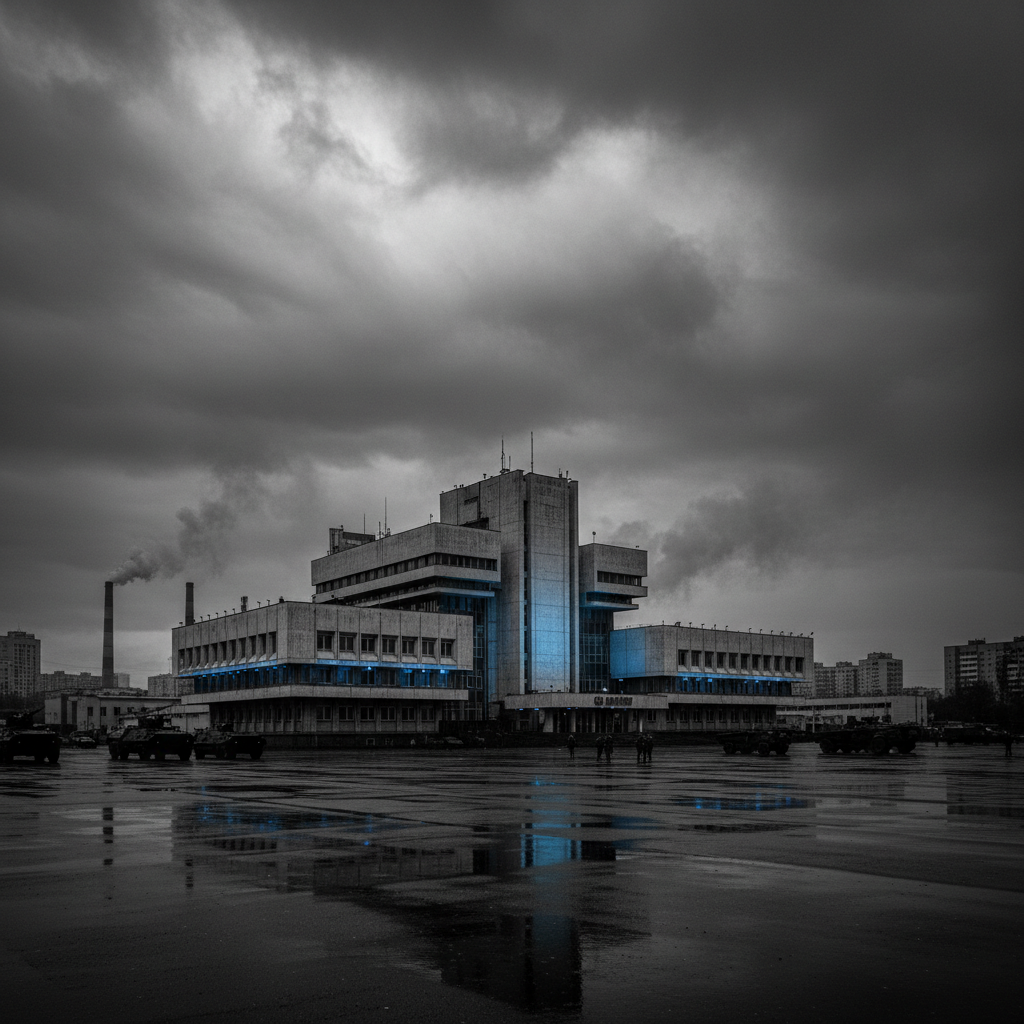
Rybalsky Island is a gritty, industrial peninsula on the Dnieper River, just north of Kyiv’s historic Podil district. It is a place of shipyards, metal workshops, and quiet docks. But it also houses Ukraine’s most secretive and heavily guarded military asset: the headquarters of the Main Directorate of Intelligence, known locally as the GUR. For months, this concrete complex has been the nerve center of Ukraine’s covert operations behind enemy lines.
It was a warm morning when the sirens started. The air defense warnings in Kyiv are a daily occurrence, but this time was different. Russia launched a complex, multi-angled strike utilizing both explosive Shahed drones and high-speed Iskander ballistic missiles. The goal was singular and ambitious: to destroy the GUR headquarters and eliminate its leader, Major General Kyrylo Budanov.
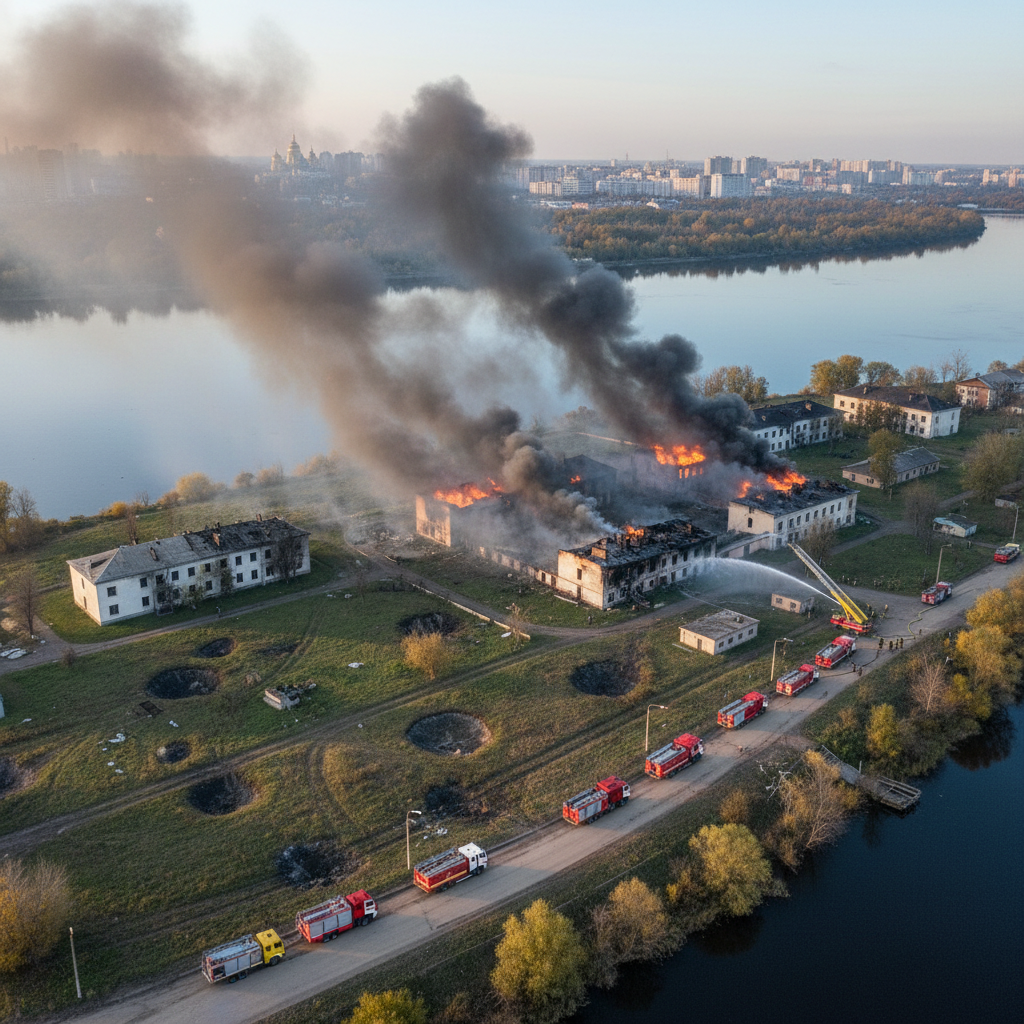
One of the missiles managed to slip through Kyiv’s dense air defense network, slamming into the GUR campus. The blast shook the surrounding neighborhood, shattering windows hundreds of yards away and sending a thick column of grey smoke billowing over the river. Almost immediately, rumor mills in both Moscow and Kyiv went into overdrive.
The Man in the Crosshairs
To understand why Moscow spent millions of dollars in precision weaponry to strike this specific island, one has to understand Kyrylo Budanov. At just 37 years old, the major general has become the face of Ukraine’s shadow war. He is a man who rarely smiles, speaks in a quiet, low whisper, and keeps a pet frog in a terrarium inside his office.
Budanov is not an armchair general. He is a former commando who was wounded multiple times in the Donbas during the early years of the conflict. He is widely credited with predicting the exact date and hour of the Russian invasion in February 2022, when many other officials in Kyiv and Western capitals remained skeptical.
Under his leadership, the GUR has transformed from a traditional regional intelligence agency into a highly aggressive, forward-leaning covert operations force. The agency has been linked to high-profile sabotage campaigns deep inside Russian territory, including drone strikes on Moscow airfields, railway explosions in Siberia, and attacks on fuel depots. For the Kremlin, Budanov is not just an enemy; he is a primary target.
The Battle of Narratives
Within hours of the strike on Rybalsky Island, Russian state media announced a major victory. Reports began to circulate on Telegram channels claiming that the GUR headquarters had been completely obliterated. The narrative quickly escalated. State news outlets reported that Budanov had been severely injured in the blast, with a piece of shrapnel allegedly lodging in his brain.
The rumors grew more elaborate by the hour. Russian accounts claimed a special medical evacuation helicopter had flown the spy chief from Kyiv to Rzeszów in Poland, where a US military transport plane then carried him to a Bundeswehr hospital in Berlin. He was, according to these reports, in a deep coma on life support.
For nearly two weeks, the GUR remained quiet, refusing to directly address the rumors. This silence only fueled the speculation. Russian state television hosts openly celebrated the supposed elimination of Ukraine’s top intelligence officer, calling it a decisive blow to Kyiv’s counteroffensive plans.
The Silent Resurrection
The Ukrainian response, when it finally came, was classic Budanov. Instead of a formal press release or a written denial, the GUR released a short video.
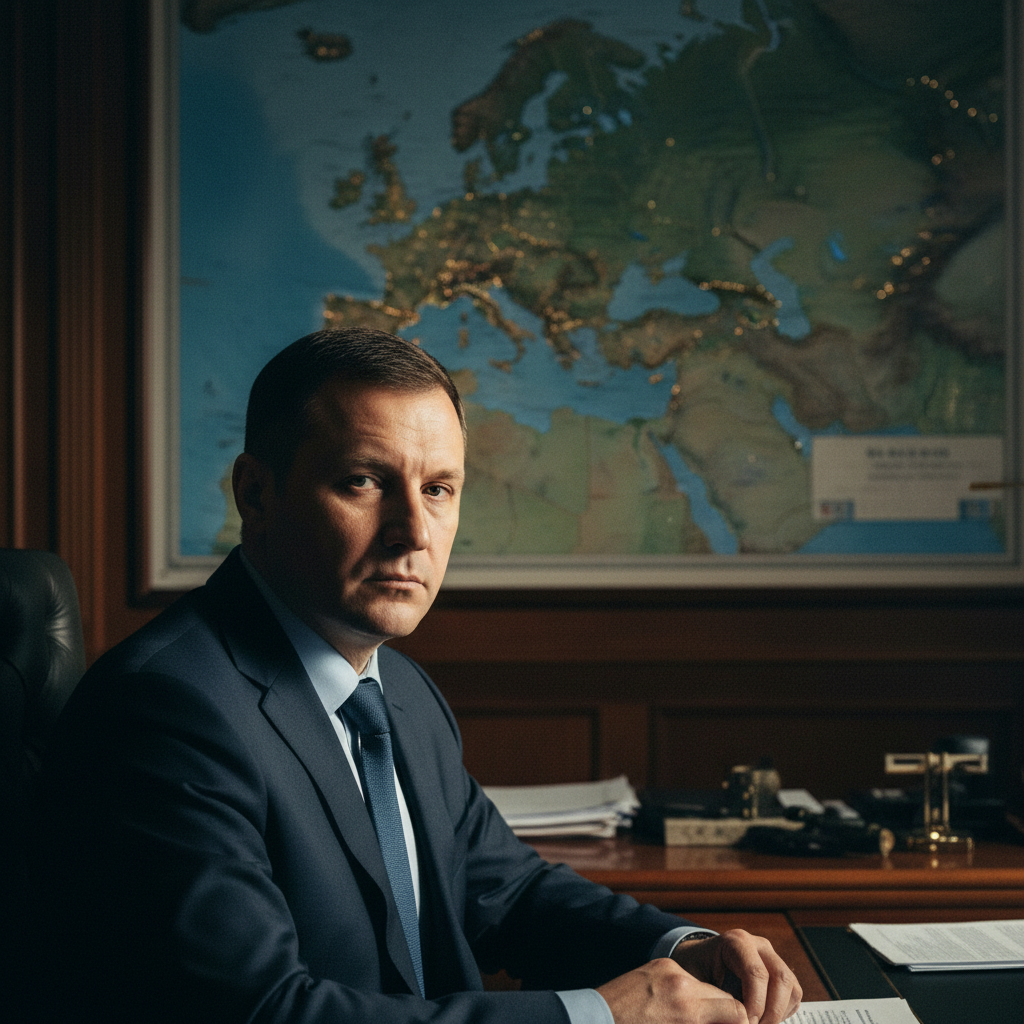
In the clip, Budanov sat at his desk, dressed in his military uniform. The room was silent. For exactly thirty seconds, the intelligence chief stared directly into the camera lens. He did not speak. He did not blink. He simply sat there, his face completely expressionless, with classical music playing softly in the background. The message was clear: I am alive, I am well, and I am not hiding.
Days later, Budanov appeared in an interview with Ukrainian television, mockingly addressing the Russian rumors. “We are creating a special squad of immortal commanders,” he joked. He confirmed that the GUR headquarters had indeed been targeted and that the building suffered damage, but he denied that operations were disrupted for even a single hour.
Independent satellite imagery later confirmed the physical reality of the strike. The photos showed a visible crater near the edge of the GUR campus and apparent roof damage to one of the administrative buildings. Yet, the main command structures appeared intact, and security cordons around the island remained tight.
A War of Shadows and Steel
The strike on the GUR office highlights a shifting dynamic in the conflict. As the front lines in the south and east remain heavily fortified and slow-moving, the war of intelligence and sabotage has taken center stage. Russia’s attempt to assassinate Budanov in his own office shows how deeply his agency’s operations have rattled Moscow.
Kyiv has made it clear that strikes on its decision-making centers will not deter its strategy. If anything, the failed assassination attempt seems to have enhanced Budanov’s mythos within Ukraine. He has become a symbol of resilience—a shadow figure who survives the worst Moscow can throw at him and continues to operate from the ruins.
As the war continues, the quiet peninsula of Rybalsky Island remains a prime target. But for now, the work inside the GUR campus goes on, hidden behind sandbags, broken glass, and deep secrecy.