Trump Envoys Prep Moscow and Kyiv Visits to Revive Peace Talks
Donald Trump’s team prepares high-stakes diplomatic missions to Russia and Ukraine, aiming to freeze the conflict using US military aid as leverage.
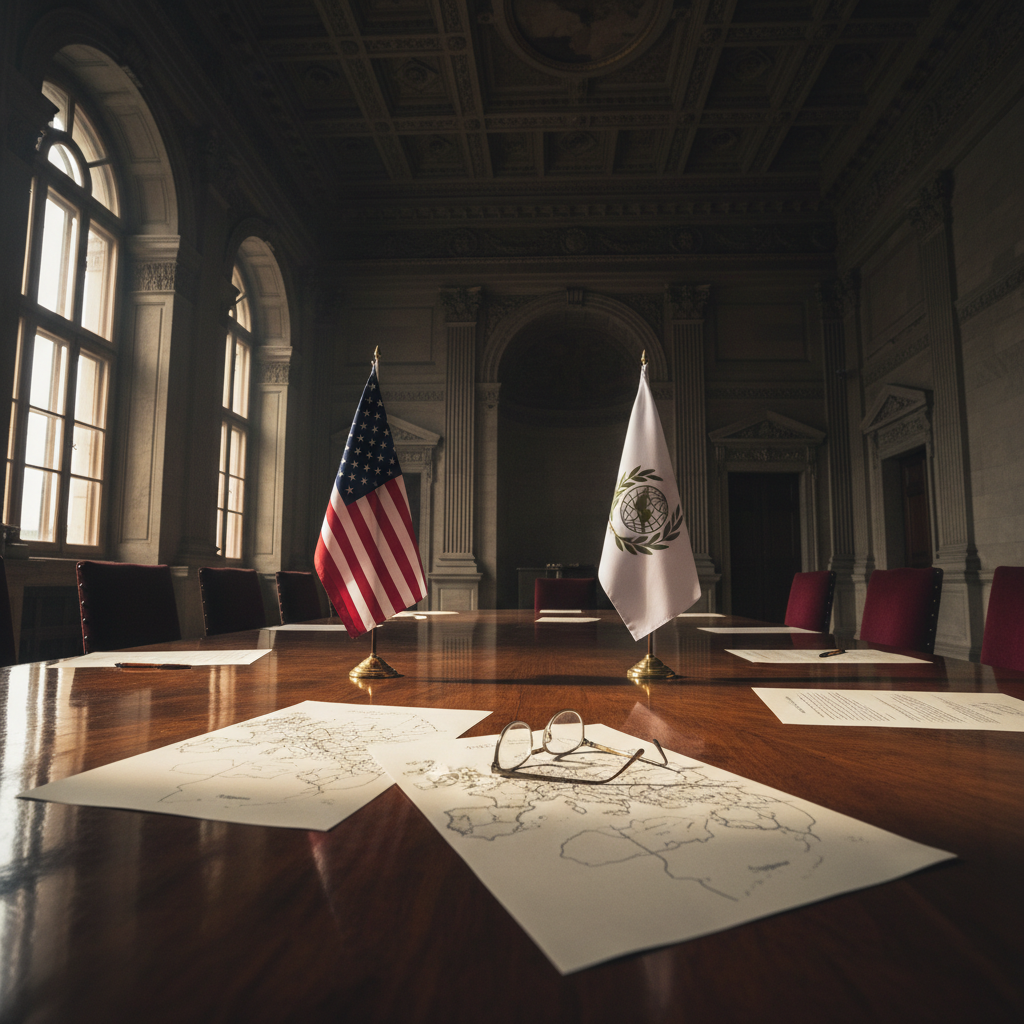
A Fast-Track Diplomatic Push
The transition team in Washington is not waiting for the inauguration. Even before taking the official oath of office, President-elect Donald Trump is setting his peace plan for Ukraine into motion. High-level envoys are preparing to travel to both Kyiv and Moscow. Their goal is ambitious, perhaps dangerously so: bring two bitter enemies to the negotiating table and end Europe’s largest land war since 1945.
At the center of this diplomatic whirlwind is retired Lieutenant General Keith Kellogg. Recently named as Trump’s special envoy for Ukraine and Russia, Kellogg is the architect of a highly specific, transactional blueprint designed to freeze the conflict along its current front lines. He is packing his bags for a journey that will test the limits of American leverage in a world that has grown increasingly fragmented.
For months, Trump has boasted that he could settle the war in twenty-four hours. This upcoming shuttle diplomacy is the first real test of that claim. The reality on the ground, however, is a muddy, blood-soaked trench line stretching hundreds of miles, where neither side seems ready to yield. But the incoming administration believes they have the ultimate leverage: the flow of American cash and weapons.
The Carrot and the Stick
The strategy Kellogg is bringing to the table relies on a brutal brand of political realism. It is a dual-track pressure campaign. On one hand, the envoys will deliver a stark warning to Ukrainian President Volodymyr Zelenskyy. If Kyiv refuses to participate in peace talks, the United States will shut off the pipeline of military assistance. For a nation entirely dependent on Western artillery, air defense, and intelligence, a cutoff would mean eventual collapse on the battlefield.
On the other hand, the threat to Moscow is equally severe. If Russian President Vladimir Putin refuses to negotiate, the U.S. will do the exact opposite. Trump’s team warns they will ramp up military aid to Ukraine, lifting all restrictions on targeting deep inside Russian territory. The idea is to make the cost of continued fighting unbearable for both capitals.
But can such a simple formula work on a conflict driven by deep-seated existential fears? Critics are highly skeptical. Opponents of the plan argue that threatening to cut off Kyiv only plays into Putin’s hands, while threatening Moscow with more weapons might not scare a Russian leader who has already sacrificed hundreds of thousands of lives and mortgaged his country’s economic future to Beijing.
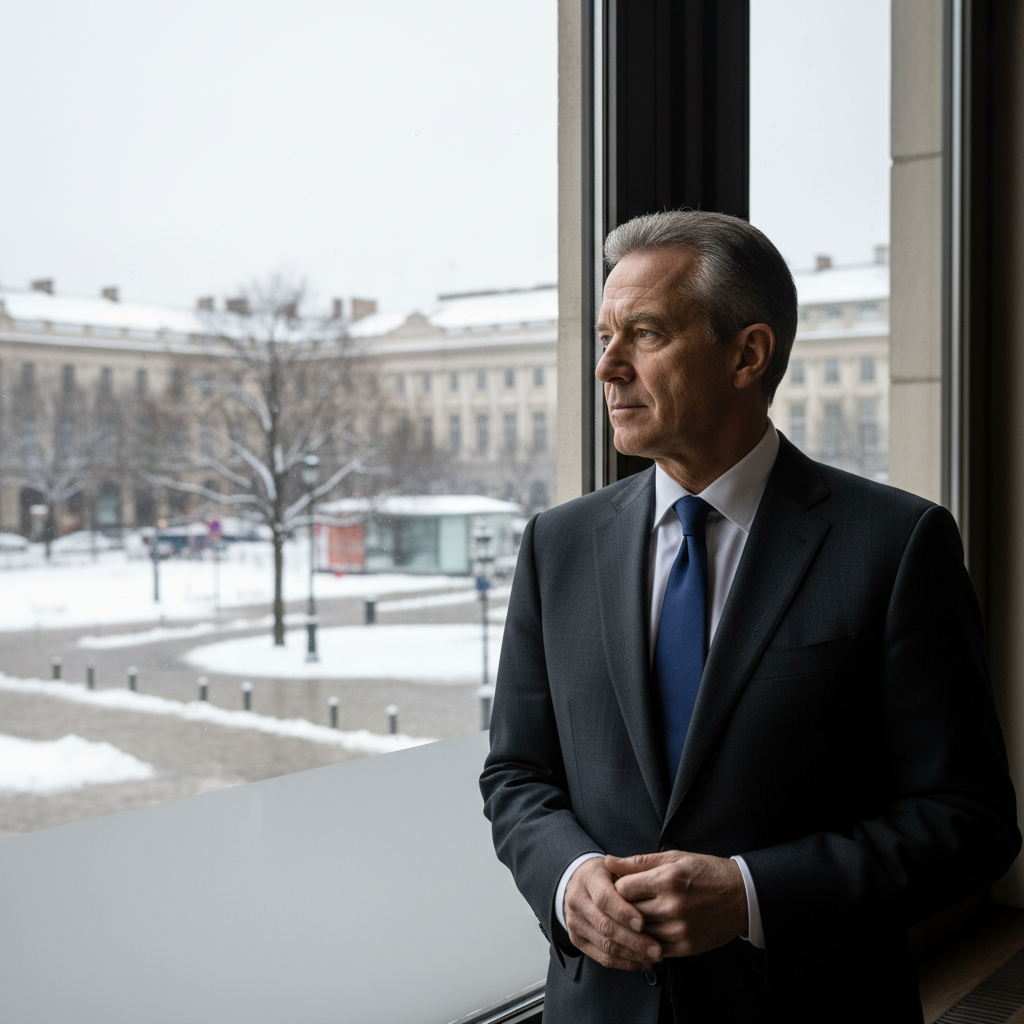
Kyiv’s Winter of Anxiety
In Ukraine, the mood is a mix of exhaustion and quiet defiance. The country is entering its third full winter of war. The national power grid is crippled from relentless Russian missile strikes. In the east, particularly around the key logistics hubs of Donetsk, Ukrainian forces are slowly but steadily losing ground. The high-stakes offensive into Russia’s Kursk region, once seen as a brilliant tactical distraction, has turned into another grueling war of attrition.
Zelenskyy finds himself in an incredibly difficult position. Publicly, he maintains that Ukraine will never formally cede Crimea or the Donbas. To do so would be political suicide at home, desecrating the memory of fallen soldiers. Yet, behind closed doors, Ukrainian officials recognize that the political tide in Washington has turned. The endless supply of U.S. aid is drying up.
In recent weeks, Zelenskyy has subtly shifted his tone. He has hinted that a diplomatic freeze could be acceptable if Ukraine receives ironclad security guarantees, such as NATO-style mutual defense pacts from European allies, or even the deployment of European peacekeeping troops along the line of contact. Kyiv’s focus is no longer just about recovering lost soil; it is about ensuring that whatever remains of Ukraine is safe from a future Russian invasion.
Putin’s Calculation: Why Stop Now?
Across the front lines, the view from the Kremlin is very different. Putin believes he is winning. Russian factories are running triple shifts, churning out tanks and shells. North Korean soldiers have arrived to bolster Russian ranks in Kursk. While the economic cost is immense, with inflation soaring and labor shortages biting hard, the Russian state has successfully insulated its general public from the worst of the shock through high military wages and heavy propaganda.
Putin’s demands have always been maximalist. He wants Ukraine completely demilitarized, banned from ever joining NATO, and forced to cede five regions—including territory that Russian troops do not even currently occupy. Why would he agree to a freeze now, when his forces are advancing and Washington is about to be led by a president openly critical of foreign aid?
Analysts suggest Putin might engage with Trump’s envoys simply to buy time or to drive a wedge between the United States and its European allies. If Moscow plays along with negotiations while presenting unreasonable demands, they can shift the blame for any failure onto Kyiv. For Putin, the talks are not just about peace; they are another theater of war.

The European Dilemma
As American envoys prepare their itineraries, European capitals are watching with a sense of dread. For decades, Europe relied on Washington to set the security agenda. Now, they face the very real prospect of a superpower deal negotiated over their heads. A ‘Yalta 2.0’ where the borders of Europe are redrawn without the consent of the nations that live there.
French President Emmanuel Macron and German Chancellor Olaf Scholz are both politically hobbled by domestic crises. They lack the authority to step into the leadership vacuum. While some eastern European nations, like Poland and the Baltic states, argue that Europe must step up and fund Ukraine’s war effort alone if the U.S. pulls out, the financial reality is grim. Without American logistics, satellite intelligence, and deep stockpiles of weapons, Europe cannot sustain Ukraine on its own.
Incoming NATO Secretary General Mark Rutte has spent weeks trying to build a bridge to Trump, arguing that a Russian victory in Ukraine would embolden China and Iran, directly threatening American interests. Whether that argument resonates with an ‘America First’ administration remains to be seen.
The Steep Road Ahead
Shuttle diplomacy is a delicate art, and the logistics of these upcoming meetings are incredibly complex. Kellogg and his team will have to navigate a minefield of diplomatic protocol, mutual distrust, and fluid battlefield realities. They are dealing with two leaders who genuinely believe that time is on their side, or that they have no choice but to keep fighting.
The ghost of past diplomatic failures hangs heavy over this mission. The Minsk agreements of 2014 and 2015, brokered by France and Germany, did little to stop the fighting and were ultimately used by both sides to rearm. Any new agreement will need robust enforcement mechanisms. Who will patrol a demilitarized zone? Who will guarantee that Russia does not simply use a ceasefire to rest, rebuild, and attack again in three years?
Trump’s envoys are heading into a storm. They carry with them the immense weight of American power, but also the high expectations of an administration that has promised quick fixes to some of the world’s most intractable problems. As winter settles over the battlefields of Ukraine, the world waits to see if the art of the deal can survive the harsh reality of war.
