Gloria Steinem Rallies Gen Z Over 2026 Abortion Ballot Votes
Feminist icon Gloria Steinem joined young organizers in Philadelphia to launch a grassroots push focusing on state-level abortion ballot measures.

An Unexpected Alliance in Philadelphia
The crowd packed into the Temple University auditorium wasn’t even born when Gloria Steinem was leading the second-wave feminist movement in the early 1970s. Yet, as the 91-year-old activist walked onto the stage, the room erupted. The applause was deafening, a mix of reverence and urgent energy. This wasn’t a retrospective on past victories. It was a strategy session for the next big fight: the 2026 midterm elections.
Steinem joined forces with a coalition of Gen Z organizers to launch a national campaign focused on state-level abortion ballot measures. The objective is clear. By putting reproductive rights directly on state ballots, organizers hope to bypass gridlocked legislatures, secure bodily autonomy, and drive younger voters to the polls during an election cycle that historically sees low youth turnout.
She didn’t use a slide deck. She didn’t need one. Armed with a microphone and decades of organizing experience, Steinem spoke directly to the students. “The power is where you are,” Steinem told the audience. “We spent decades looking to Washington to protect us. But the real shield is right here, in your state constitutions.”
The Shift from Federal to State Battles
Since the U.S. Supreme Court overturned Roe v. Wade in 2022, the battle over abortion access has fractured into fifty distinct state fights. For many young voters, the sudden loss of federal constitutional protections was a shock. It bred a deep cynicism about national politics and the efficacy of voting altogether. If a federal right could vanish overnight, why bother voting for federal politicians? That was the prevailing sentiment among many campus organizers.
But Steinem and youth leaders are trying to channel that anger into a highly localized strategy. Over the last three years, voters in states like Ohio, Michigan, and Kansas have successfully protected or enshrined abortion rights through direct ballot initiatives. These campaigns bypassed partisan legislatures entirely. They proved that even in red and purple states, direct democracy can yield progressive outcomes when the question is put directly to the people. In 2024, several more states followed suit, demonstrating that abortion rights remain a powerful motivator at the ballot box.
The 2026 midterms present the next major opportunity. Organizing groups are already identifying key states where citizen-led ballot initiatives could succeed. The strategy serves a double purpose. First, it establishes permanent state-level protections. Second, it serves as a powerful motivator for Gen Z voters who might otherwise sit out the midterm elections. By focusing on concrete, local policy rather than political personalities, organizers hope to bypass the general exhaustion that many young people feel toward the two-party system.
Bridging a Fifty-Year Generational Gap
The collaboration between a nonagenarian icon and digital-native activists might seem unusual on paper, but on stage, the chemistry was obvious. Young organizers bring digital savvy and peer-to-peer mobilization networks. Steinem brings historical perspective and a reminder that long-term social struggles are rarely linear.
“We are dealing with a generation that has grown up with unprecedented access to information, but also unprecedented doomscrolling,” said Sandra Okoye, a 21-year-old student organizer from Philadelphia who shared the stage with Steinem. “People our age are tired of being told that every single election is the most important election of our lifetimes. It feels like a marketing gimmick. But when you talk about a specific state ballot measure, it feels real. It is a direct vote on our lives, not a politician’s vague campaign promise.”
Steinem nodded in agreement, pointing out that grassroots organizing has always relied on personal contact, regardless of the technology used. “In my day, we had index cards, payphones, and mimeograph machines,” Steinem laughed. “You have the entire world in your pocket. But the fundamental task is still the same. You have to talk to people who don’t agree with you. You have to knock on doors. You cannot change a mind just by double-tapping a screen.”
The Hard Math of Midterm Turnout
The focus on 2026 is highly strategic. Midterm elections are notoriously difficult for progressive campaigns because turnout drops significantly compared to presidential years. This drop-off is especially pronounced among voters aged 18 to 25. Historically, older, more conservative voters dominate midterms, which often leads to a backlash against the party in power. For progressive organizers, finding a way to keep young voters engaged during these off-years is the ultimate puzzle.
Organizers believe that ballot measures can change this mathematical dynamic. By putting a highly personal, high-stakes issue like reproductive freedom directly on the ticket, they can give young people a compelling reason to show up. It transforms the ballot from a choice between two imperfect candidates into a direct vote on a fundamental right. It makes the election about an issue, not a politician.
However, getting a measure onto a state ballot is a monumental task. It requires hundreds of thousands of verified physical signatures, which must be collected within strict timeframes. In several states, conservative lawmakers have raised the bar, trying to increase the percentage of votes needed to pass a citizen-led initiative or making signature-gathering rules much more restrictive. In some places, organizers must collect signatures from a set percentage of counties across the entire state, making rural outreach just as critical as urban mobilization.
The Roadblocks and the Counter-Campaigns
The push for 2026 faces fierce opposition from anti-abortion coalitions, which have also updated their playbook. Rather than simply fighting these measures at the ballot box, opposition groups are increasingly focusing on preventing them from getting onto the ballot in the first place.
In various states, conservative groups have filed lawsuits challenging the wording of petitions, questioned the validity of collected signatures, and launched public relations campaigns urging voters not to sign petitions. The financial stakes are also immense. Millions of dollars are expected to pour into state-level campaigns from both national progressive donors and conservative organizations, turning local airwaves into battlegrounds.
“They are going to try to confuse people,” Okoye warned. “They will write the ballot language in a way that is intentionally hard to understand. They want people to get frustrated and just give up. Our job is to demystify the process and make sure every young voter knows exactly what they are signing and what they are voting for.”
A Shared Legacy of Persistence
As the Philadelphia event wrapped up, Steinem offered a final piece of advice to the young crowd. She reminded them that social progress is not a sprint, but a long, continuous relay. It requires patience, persistence, and an understanding that setbacks are inevitable.
“I am here because I want to see you take the baton,” Steinem said, looking out at the hundreds of young faces in the crowd. “Do not let anyone tell you that voting does not work. If it didn’t work, they wouldn’t be trying so hard to stop you from doing it. The future is not written. You are writing it every single day.”
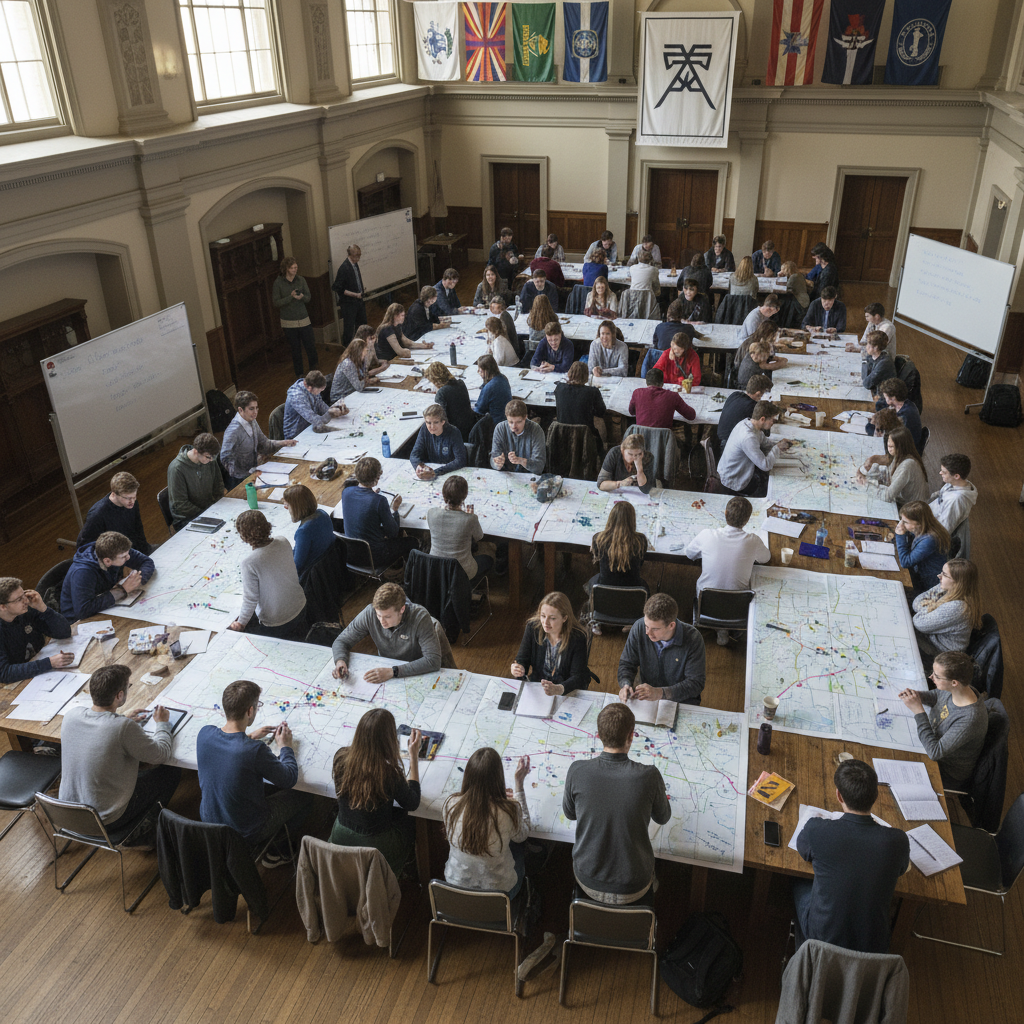
The event concluded with a workshop on signature-gathering techniques, with students clustering around tables to learn how to canvass effectively on their campuses. For Steinem, the day was a vivid demonstration that the fight she began decades ago remains in capable hands, carried forward by a new generation ready to make their voices heard at the ballot box.
