Israel Digs In: IDF Consolidates Positions in Southern Lebanon
Israel’s military is expanding and cementing its presence in southern Lebanon, clearing Hezbollah networks despite fierce resistance and global concern.
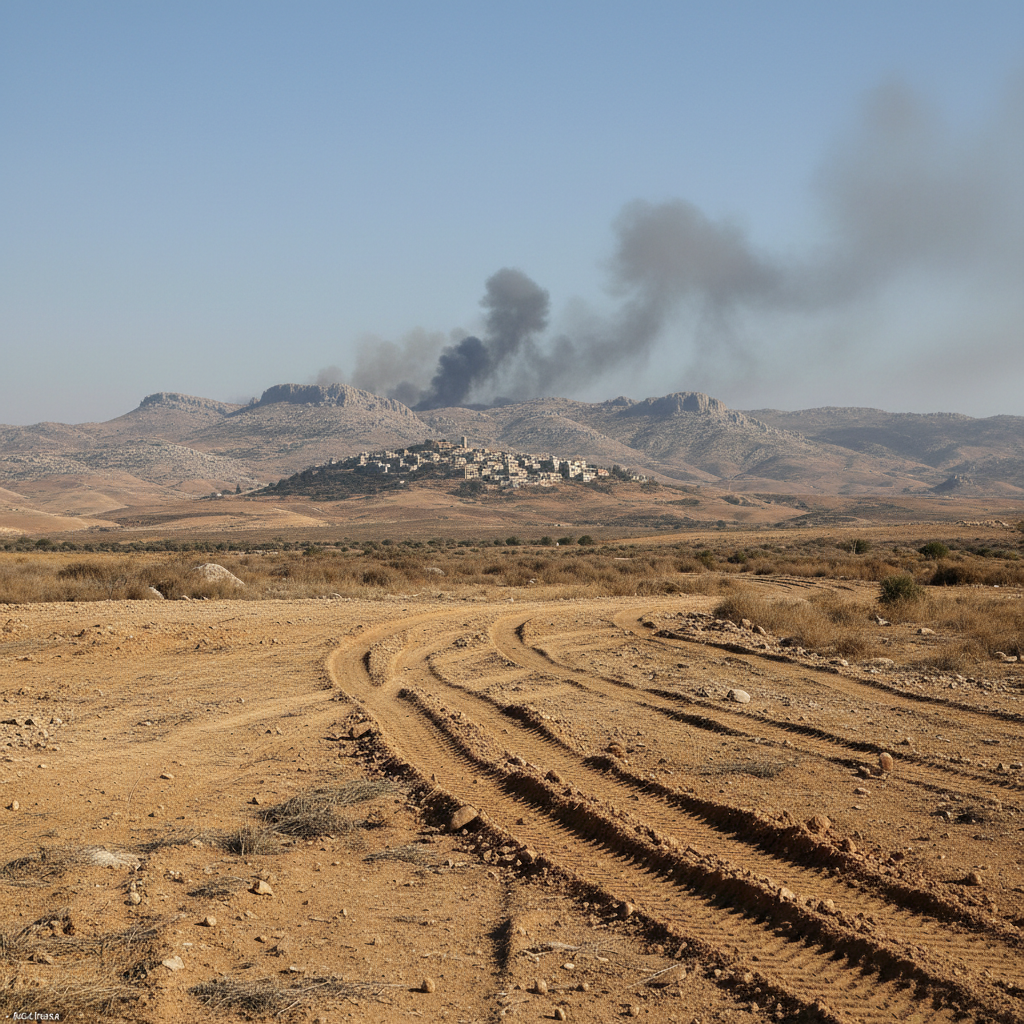
The physical landscape of the Lebanon-Israel border is transforming. What began as rapid, cross-border incursions has turned into something much more permanent. Israeli bulldozers are carving out wide access roads through the rocky hillsides. Heavy armor is taking up semi-permanent positions on high ground. The steady drone of unmanned surveillance planes fills the sky day and night, marking a systematic effort to reshape the security geography of the region.
For weeks, the Israel Defense Forces maintained that their operations in southern Lebanon were limited, localized, and highly targeted. The stated goal was simple: destroy Hezbollah’s immediate attack infrastructure to allow displaced Israeli civilians to return to their homes in the north. Today, however, the reality on the ground points toward a much broader strategy. Israel is establishing a heavily fortified buffer zone, systematically leveling defensive structures, and digging in for what could be a long-haul presence.
A Tactical Shift in the Mud and Stone
Military officials in Tel Aviv are no longer talking about quick hits. Instead, they speak of cementing operational control. In the dry, rugged terrain of southern Lebanon, this means taking and holding territory. Ground forces have established forward operating bases inside Lebanese territory, using armored earthmovers to throw up protective dirt berms around their positions.
The fighting has been intense. Hezbollah fighters, deeply familiar with the local geography, are using a network of hidden bunkers, natural caves, and pre-prepared ambush points to strike back. They are relying heavily on anti-tank guided missiles and mortar barrages to slow down the Israeli advance. Despite this resistance, Israeli engineering units have pushed deeper, clearing out entire blocks in border villages like Yaroun and Maroun al-Ras. The military says these villages were turned into militarized launchpads for a planned invasion of northern Israel.
According to military analysts, the current phase of the campaign focuses on systematically destroying the vast network of tunnels Hezbollah spent decades constructing. Some of these tunnels run deep into the hillsides, packed with weapons, food supplies, and sophisticated communication equipment. By sealing or blowing up these underground passageways, the IDF hopes to permanently deny the militant group a staging ground close to the border.
The Cost of a Fortified Border
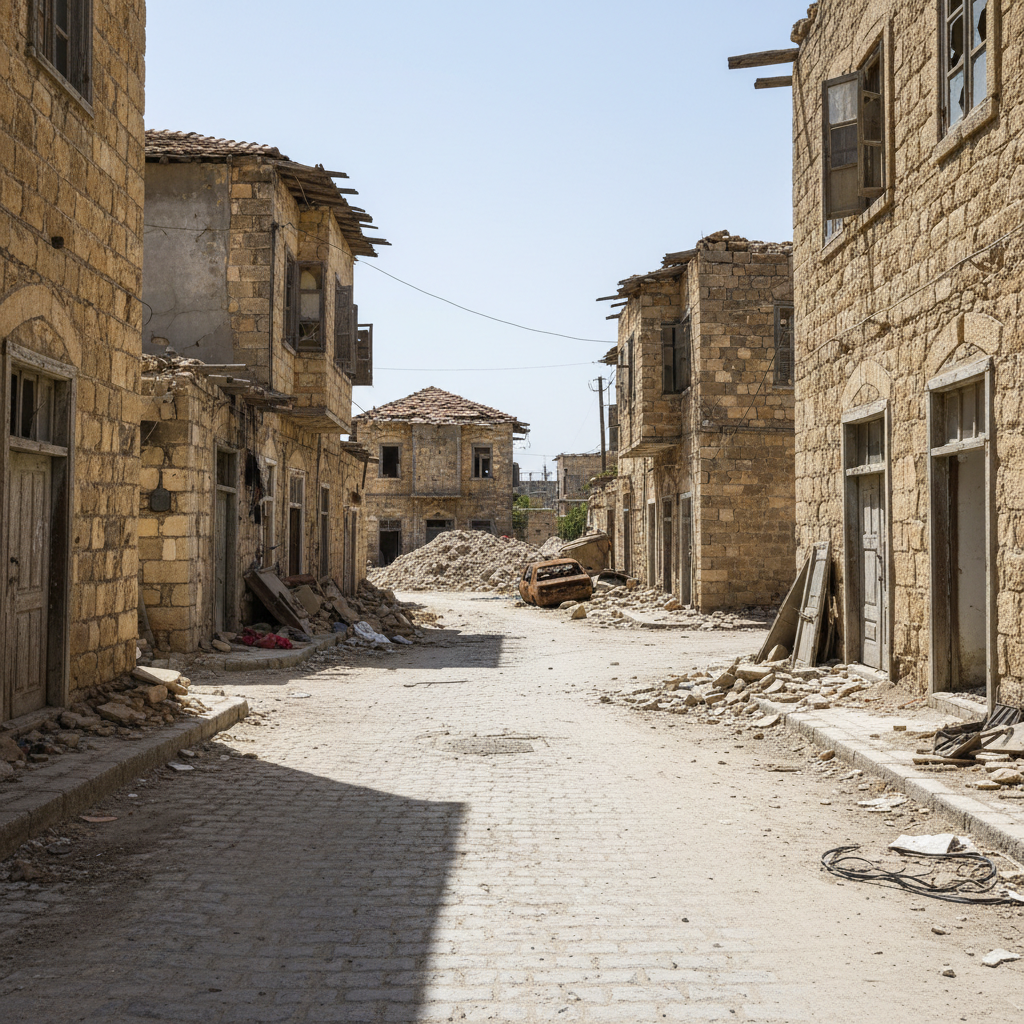
This systematic clearance comes with an enormous human and physical toll. The visual evidence from the border region is striking. Entire hillsides have been stripped of vegetation. Ancient olive groves, which once covered the slopes, have been cleared to deny cover to ambush teams. Many of the historic stone homes in the border villages now lie in ruins, caught in the crossfire of heavy artillery and airstrikes.
The displacement of people is historic. On the Lebanese side of the border, towns that once bustled with local commerce are now ghost cities. Local authorities estimate that a vast majority of the population in the south has fled north toward Beirut or the Bekaa Valley, crammed into temporary shelters, schools, and parks. Meanwhile, in northern Israel, tens of thousands of residents remain displaced, their lives on hold as rockets continue to rain down on towns like Kiryat Shmona and Metula.
The humanitarian impact is defined by stark figures:
- Over 1.2 million people have been displaced within Lebanon since the escalation began.
- Approximately 60,000 residents of northern Israel remain unable to return home due to ongoing rocket fire.
- Hundreds of buildings in southern Lebanese border villages have been completely demolished.
- Dozens of Lebanese healthcare facilities and emergency centers have been forced to close.
UNIFIL Caught in the Middle
The shifting frontlines have placed international observers in an incredibly precarious position. The United Nations Interim Force in Lebanon, known as UNIFIL, has maintained a presence in the south for decades. Their mandate was to monitor the cessation of hostilities and assist the Lebanese army. Now, they find themselves trapped between two warring forces.
Israeli commanders have repeatedly urged UNIFIL peacekeepers to move north for their own safety, a request the UN has firmly rejected. Tensions spiked when several peacekeepers were wounded in incidents involving Israeli fire. The incidents drew sharp condemnation from European nations contributing troops to the mission, including Italy, France, and Spain. Israel expressed regret for the casualties but insisted that Hezbollah was operating in close proximity to UN positions, effectively using the peacekeepers as human shields.
The situation has created a diplomatic headache for Israel’s allies. While Washington has supported Israel’s right to defend itself and dismantle Hezbollah’s offensive capabilities, US officials have privately warned against an open-ended occupation. The memory of Israel’s previous 18-year occupation of southern Lebanon, which ended in a chaotic withdrawal in 2000, looms large over current discussions.
What Comes Next?
The ultimate political objective of this military push remains unclear. Some Israeli officials hint that the military will not withdraw until a diplomatic agreement is reached that forces Hezbollah north of the Litani River, roughly 18 miles from the border. This requirement was a key component of UN Security Council Resolution 1701, which ended the 2006 war but was never fully implemented.
But implementing such a deal is easier said than done. The Lebanese state is weak, its army is underfunded, and Hezbollah remains a powerful political and military force within the country. Without a reliable third party to enforce a demilitarized zone, Israel appears determined to create one through sheer military might.
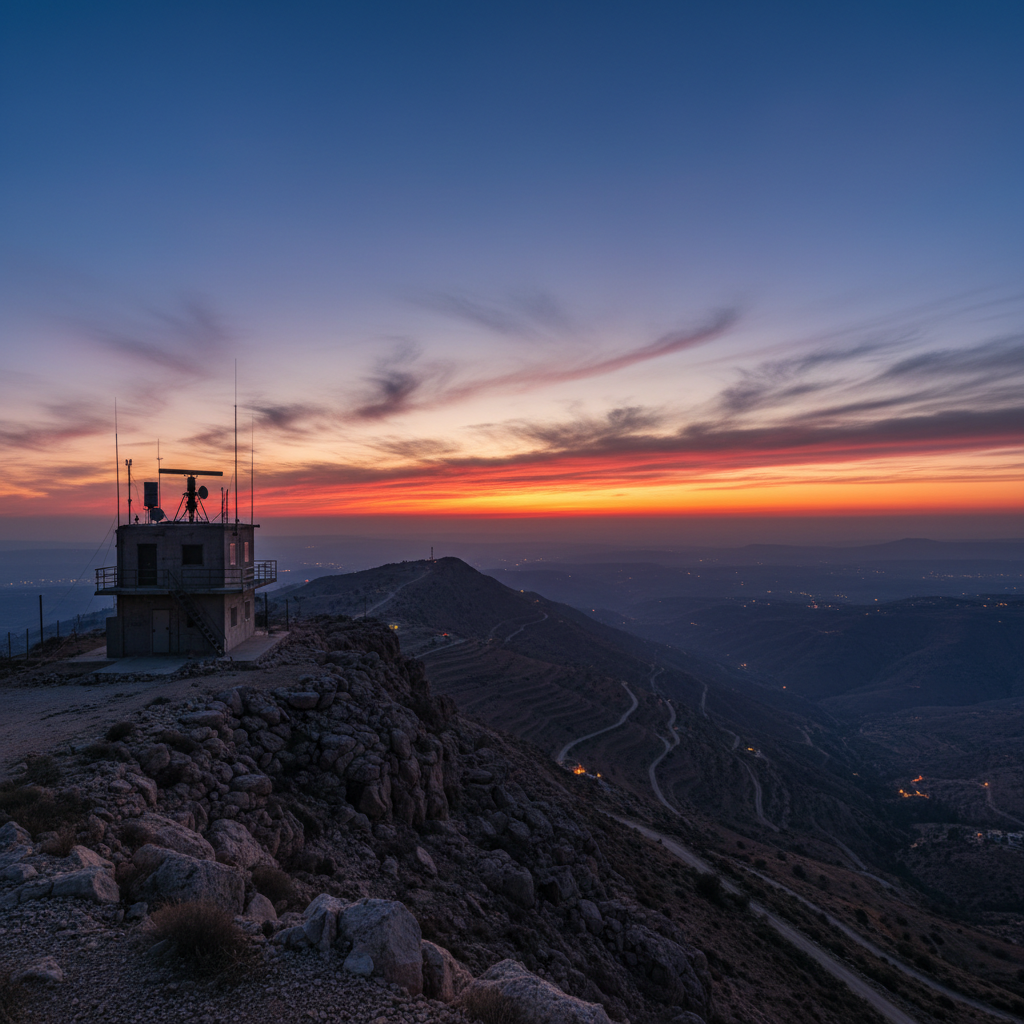
For now, the machinery of war continues to grind through the southern hills. Concrete is being poured, new communication towers are being erected, and logistical supply lines are being secured. On the ground, the message is clear: Israel is preparing to stay for as long as it takes to reshape the security dynamics of the Levant.
